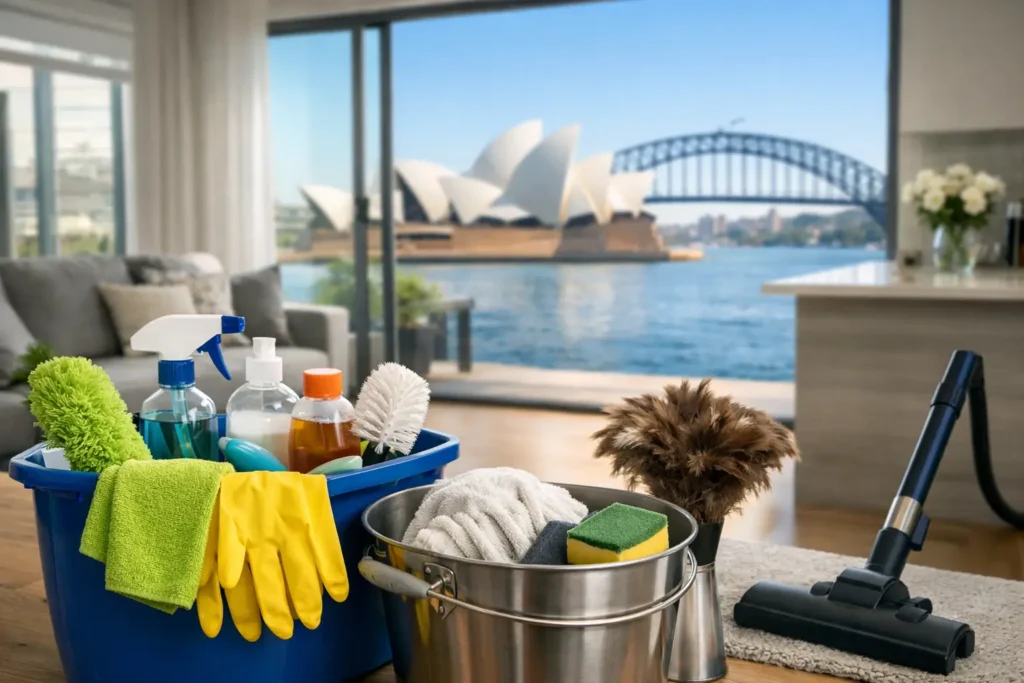
Anyone who has cleaned a Sydney home after a wet week, a dusty renovation, or a hectic school term knows the same thing – surface cleaning only gets you so far. If you want a home to feel properly fresh, hygienic and ready for inspection, guests or everyday living, you need the ultimate deep cleaning checklist for Sydney homes, not a rushed once-over.
Deep cleaning is different from regular upkeep. It targets the grime that builds slowly in grout lines, skirting boards, exhaust fans, window tracks and hard floor surfaces. It also protects the parts of your home that cost real money to repair or replace. That matters in Sydney homes, where foot traffic, humidity, coastal air, pets and renovation dust can all wear surfaces down faster than people expect.
Why a proper deep clean matters in Sydney homes
A true deep clean is not about making a room look good for an hour. It is about removing hidden dirt, grease and residue that affect hygiene, indoor air quality and the lifespan of your surfaces. Kitchens collect oil and fine dust. Bathrooms trap moisture and soap scum. Garages and concrete areas hold grit that can scratch coatings and make floors harder to maintain.
That is why a checklist matters. It keeps the job systematic, reduces missed areas and helps you decide what can be handled with standard cleaning and what needs specialist treatment. In homes with sealed concrete, epoxy garage floors or coated outdoor surfaces, using the wrong method can do more harm than good. Aggressive scrubbing, harsh chemicals and too much water are common mistakes.
The ultimate deep cleaning checklist for Sydney homes
The best place to start is from the top down. Dust falls, so ceilings, vents, light fittings and shelves should be handled before floors. Work room by room and finish with high-traffic surfaces underfoot.
Entryways, hallways and living areas
Start by removing loose dust from cornices, ceiling fans, light fittings and air-conditioning vents. Wipe doors, frames, switches and handles, because these are high-touch areas that are often missed in routine cleaning. Skirting boards need more than a quick dust – a damp microfibre cloth will lift built-up grime far better than a dry one.
In living areas, move lightweight furniture where possible and vacuum underneath rather than around it. Upholstered furniture should be vacuumed along seams and under cushions. If you have blinds, clean each slat individually. Curtains may need a wash or steam clean depending on fabric and dust load.
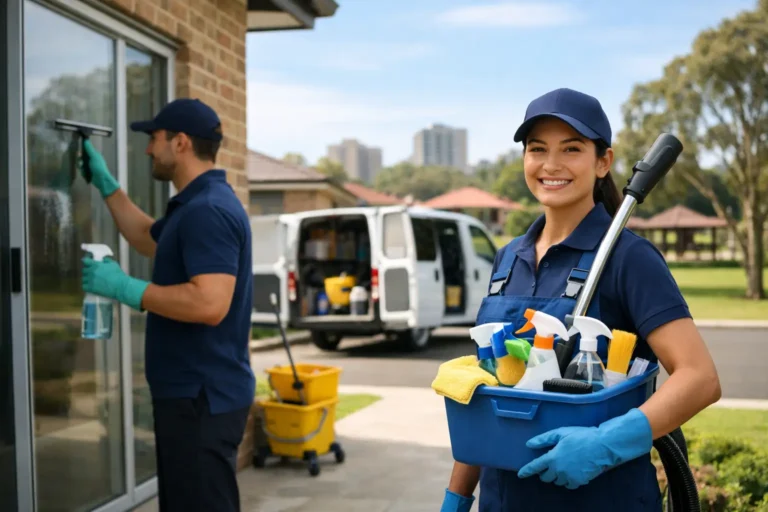
Window tracks are a common trouble spot in Western Sydney homes, especially where wind carries in dust. Vacuum first, then use a soft brush and cloth to lift compacted dirt without forcing it further into the track. For more detailed room-by-room cleaning standards, see our house cleaning checklist.
Kitchen deep cleaning
The kitchen is where a lot of deep cleans either succeed or fall apart. It is not just about visible crumbs and benchtops. Grease drifts further than people think, especially around splashbacks, cabinetry and rangehoods.
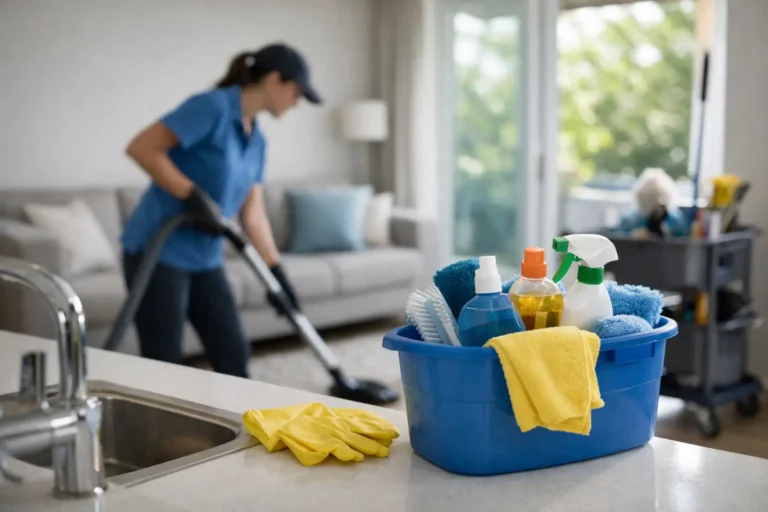
Begin with cupboards and pantry shelves. Empty them in sections, wipe inside surfaces and check use-by dates while you go. Clean cabinet fronts, particularly around handles where oils from hands build up. Appliances should be cleaned externally first, then internally where appropriate – microwave, oven, dishwasher seals and fridge shelves all need attention.
Rangehood filters deserve special attention because clogged filters reduce performance and hold onto grease. Splashbacks should be cleaned with a product suited to the surface. If you have tiled areas, grout lines may need a dedicated scrub, but avoid anything too abrasive.
On the floor, vacuum or sweep before mopping so grit does not drag across the surface. This matters even more if your kitchen has a coated or sealed floor finish. If you are unsure about the best maintenance approach for hardwearing coated surfaces, our guide to epoxy floor cleaning and maintenance explains what to use and what to avoid.
Bathrooms, toilets and laundries
Bathrooms need a different approach because moisture is the main issue, not just dirt. Mould, soap residue and mineral deposits build up gradually, often around taps, shower screens, tile joints and exhaust fans.
Start with dry dust removal on vents, lights and upper surfaces. Then treat shower screens, taps and tiles with suitable bathroom cleaners. Let products dwell long enough to break down residue rather than scrubbing hard straight away. Toilets need full treatment inside and out, including hinges, flush buttons and the surrounding floor.
In the shower, check silicone lines and grout for mould staining. Some marks will lift with cleaning, others may point to ventilation or sealing issues rather than a simple hygiene problem. Laundries should also be checked behind and under appliances where lint and detergent residue collect.
If the bathroom floor is slip-prone, the goal is not just cleanliness but safe traction. Heavy product residue can actually make floors more slippery, so always rinse properly and dry where needed.
Bedrooms and built-in storage
Bedrooms are often easier, but they still benefit from a proper reset. Dust all high and low surfaces, including headboards, bedside tables, lamps, wardrobes and skirting boards. Vacuum mattresses if possible and rotate them if required.
Built-in wardrobes should be emptied in stages, with shelves, rails and corners wiped down before items go back in. This is especially useful before inspections, end-of-lease cleans or seasonal wardrobe changes. If a room has carpet, focus on edges and under-bed areas where dust settles undisturbed.
Floors, garages and hard-surface areas
This is the stage people notice most, and the stage that often needs the most care. Different floor types need different methods. Timber, tile, laminate, sealed concrete and epoxy do not respond the same way to water, chemicals or scrubbing equipment.
For internal hard floors, always remove dry soil first. Fine grit acts like sandpaper under shoes and cleaning pads. Mop with a product matched to the finish, using minimal water where the manufacturer recommends it. More product is not always better – residue can attract dirt faster and dull the surface.
Garages deserve more attention than they usually get. In Sydney homes, the garage often works as storage zone, workshop and secondary entry point. That means it collects tyre dust, oils, leaf debris and abrasive grit. If the floor is concrete or epoxy-coated, regular sweeping and controlled washing are far better than letting contamination build up for months.
Where floors are stained, dusty, pitted or difficult to clean because the surface itself has worn down, cleaning alone may not solve the problem. In those cases, the issue is often preparation or coating condition. Our concrete grinding service page explains how proper surface preparation can restore usability before a new finish is applied.
Where deep cleaning can go wrong
The biggest mistake is using one method for every room and every surface. Bleach is overused, abrasive pads scratch finishes, and soaking floors can damage joins, edges and coatings. Another common problem is focusing on obvious dirt while ignoring the sources of ongoing mess, like clogged vents, poor entry mats or damaged seals.
There is also a time trade-off. A proper deep clean takes longer than most people plan for. If you rush, you tend to skip detail areas that make the biggest difference. If you are preparing for a rental inspection, sale campaign or post-renovation reset, it often makes sense to tackle the job in stages rather than trying to finish the whole house in one pass.
When to clean and when to call in specialist help
A lot of deep cleaning jobs are manageable with the right products, enough time and a clear process. But some issues are not really cleaning problems. Etched concrete, failing coatings, stubborn oil penetration, slippery worn surfaces and renovation dust embedded into porous flooring often need more than standard household products.
That is where specialist surface care becomes the smarter option. A clean-looking floor that is still worn, unsafe or difficult to maintain is not really doing its job. For high-traffic garages, utility areas and hard-working family homes, getting the substrate right can save time and ongoing maintenance costs later.
If you need help improving a floor that no longer cleans up properly, Floor Masters works across Sydney with advanced equipment, dust-controlled preparation and durable coating systems built for long-term performance.
Deep cleaning works best when it is practical, not perfect. Start with the areas that affect hygiene, safety and daily use the most, and treat your floors like the investment they are.