
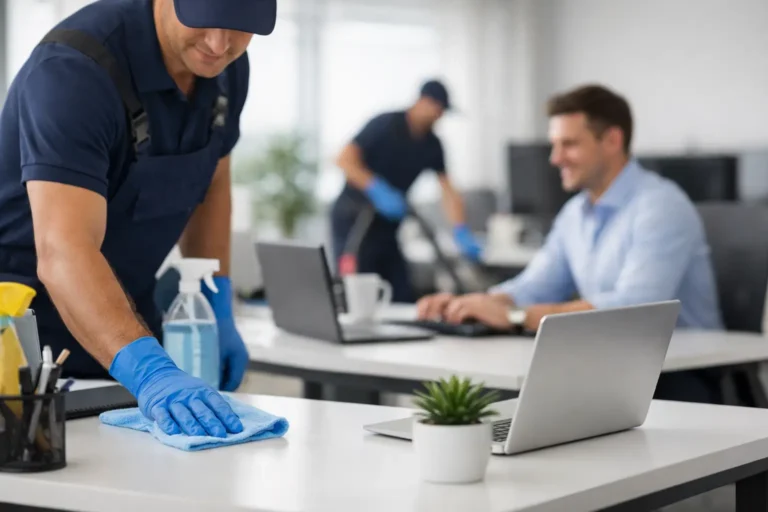
That mid-afternoon slump in the office is not always about coffee. Sometimes it is the overflowing bin in the kitchenette, the dusty air around workstations, the marked-up floors in reception, and the meeting room that still looks like yesterday’s rush. Office cleaning Sydney and productivity are closely connected because people work better in spaces that feel organised, safe and properly maintained.
For businesses across Sydney, a clean office is not just about appearances. It affects focus, staff wellbeing, client impressions, and even how long your floors and surfaces last under daily wear. If you manage an office, a clinic, a showroom or a commercial tenancy, cleaning is one of those operational basics that quietly shapes performance every day.
Why office cleaning in Sydney matters more than many businesses realise
A messy workspace creates friction. Staff spend time clearing desks, avoiding grubby common areas, or working around spills, dust and clutter that should have been dealt with earlier. None of that looks dramatic on paper, but over weeks and months it chips away at efficiency.
A clean workplace supports better decision-making because people are less distracted by their environment. It also helps maintain a professional rhythm. When entry points, amenities, shared desks and floors are consistently cleaned, the whole space feels more controlled and easier to use.
This is especially relevant in Sydney offices where foot traffic, weather and dust can quickly affect presentation. Rain gets tracked in, carpets and hard floors pick up grime, and busy shared spaces wear down faster than people expect. Without a clear cleaning standard, the workplace can start looking tired long before the fit-out itself is due for an update.
Clean workspaces boost productivity in practical ways
Productivity is not just about working harder. It is about removing obstacles that slow people down.
The first benefit is concentration. Dust, odours, sticky surfaces and visual mess pull attention away from the task at hand. People may not always mention it, but they notice it. A cleaner office reduces that background irritation and makes it easier to settle into focused work.
The second is health and attendance. Shared workspaces mean shared touchpoints – door handles, desks, kitchen benches, taps, bathrooms, lift buttons and meeting tables. When those areas are cleaned properly, there is less build-up of dirt and fewer hygiene concerns moving through the office. That does not guarantee no one gets sick, but it can help reduce avoidable spread and support a healthier working environment.
The third is morale. Staff tend to treat a workplace better when it is already well looked after. Clean spaces encourage better habits, from keeping desks tidy to reporting maintenance issues earlier. That matters in offices where culture and presentation are part of retaining good people.
The role floors play in workplace performance
When people think about office cleaning, they often picture desks and bathrooms first. Floors are easy to overlook, yet they do a lot of heavy lifting in any workplace.
They carry constant foot traffic, absorb dirt from outside, and set the visual tone the moment someone walks in. If floors are stained, dusty, slippery or hard to maintain, the entire workspace feels less professional. Poor floor condition can also create safety risks, especially in entries, kitchens, storage areas and commercial back-of-house spaces.
That is where cleaning and flooring performance overlap. A surface that is built for wear and easy maintenance will support cleaner operations over time. Durable floor systems such as epoxy are popular in commercial settings because they are hard-wearing, easier to clean, and suited to high-traffic use. For businesses comparing long-term upkeep costs, it is worth understanding why epoxy flooring in Sydney is built for busy commercial spaces.
Office cleaning Sydney: why clean workspaces boost productivity for staff and clients
A clean office is not only for the people already working there. It also shapes how visitors, suppliers and clients judge your business.
Reception areas, meeting rooms and amenities tell people what standard you operate at. If the floors are marked, the glass is smudged and the bathrooms feel neglected, it creates doubt. Clients may not comment on it directly, but they will form an impression about attention to detail.
For offices that host customers on site, cleanliness becomes part of the brand experience. For workplaces that do not see much external foot traffic, it still matters internally. Staff take cues from their environment. If the workplace looks neglected, standards tend to drift in other areas too.
High-traffic areas need more than a basic wipe-down
Not every part of an office needs the same cleaning schedule. Entrances, hallways, kitchens, bathrooms and shared meeting rooms carry a heavier load than individual workstations. Treating every zone the same often leads to wasted effort in some areas and not enough attention in others.
A practical cleaning plan should match the way the office is actually used. For example, a small quiet office with limited visitors may need a different routine from a busy commercial site with daily deliveries, regular client meetings and staff moving in and out all day.
This is also why surface selection matters. Some floor finishes show wear quickly and trap grime in ways that make cleaning slower and less effective. Others are designed for easier maintenance and better long-term presentation. If your business is reviewing flooring as part of a broader workspace upgrade, it may help to look at how concrete grinding prepares commercial floors for better performance.
Cleanliness, safety and risk reduction go together
Productivity and safety are closely linked. A workplace that feels safe is easier to work in, and a workplace that is easier to maintain is usually safer as well.
Wet entries, dusty hard floors, worn surface coatings and grime build-up around shared areas all increase risk. Slips and trips are not only disruptive – they can lead to injury, downtime and avoidable costs. For some businesses, especially those with mixed office and warehouse zones, the condition of the floor plays a direct role in daily safety.
Good cleaning helps, but it cannot compensate for the wrong surface. If a floor is damaged, porous or hard to maintain, cleaning teams are forced to work around the problem rather than solve it. In those cases, repairing or resurfacing the area can be the smarter long-term move. Businesses dealing with worn concrete or failing coatings often benefit from commercial epoxy floor repairs before safety and presentation slip further.
It depends on the office – and that is the point
There is no single cleaning schedule that suits every Sydney workplace. A small professional office, a medical consulting space, a retail office, and a mixed-use commercial site all have different demands.
That is why the most productive approach is not simply cleaning more often. It is cleaning more deliberately. Focus on the areas that affect daily use, staff comfort and risk. Review whether the current flooring and surface finishes are helping or making the job harder. And think beyond the cheapest quote if it leaves you with inconsistent standards or surfaces that wear out early.
For landlords and property managers, this matters at handover as well. A clean, well-maintained office presents better, leases faster, and can reduce make-good pressure between tenancies. For business owners, it supports smoother operations and a more professional environment without constant reactive fixes.
Better cleaning starts with better surfaces
If you are constantly battling stained concrete, dusty edges, worn coatings or slippery sections, the issue may not be the cleaning team alone. It may be the floor system underneath.
Well-prepared, durable surfaces are easier to keep clean and easier to keep safe. That is one reason many commercial operators invest in proper concrete preparation, premium coatings and non-slip finishes where needed. It cuts down maintenance headaches and supports a workplace that looks sharper day after day.
At Floor Masters, we see this firsthand on commercial projects across Sydney. When the right flooring system is installed with proper surface preparation and clean workmanship, businesses get a space that is easier to maintain and built to last.
A productive office does not happen by accident. It is shaped by the small things people experience every day – cleaner air, safer floors, tidier shared spaces and a workplace that feels properly looked after. When your environment works better, your team usually does too.