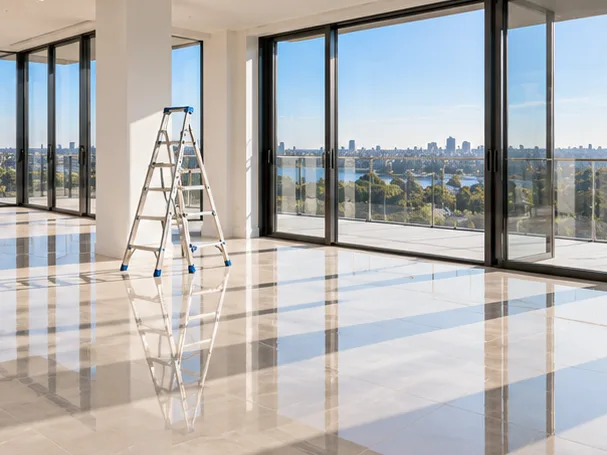
You open the door to a freshly renovated property and everything looks finished. The paint is dry, the tiles are down, the joinery is in, and the new floor has completely changed the space. It feels ready. But looks can be misleading.
What most people don’t see straight away is the fine construction dust sitting on skirting boards, inside cupboards, around power points, on window tracks and across brand-new surfaces. That leftover mess is exactly why post-renovation cleaning is essential before moving in. It is not just about presentation. It is about protecting your health, preserving your new finishes, and making sure the property is genuinely ready to live in.
For homeowners, tenants, landlords and property managers, this stage is often underestimated. After spending time and money on upgrades, the last thing you want is dust damage, slippery residue, or grime settling into surfaces before the place is even occupied.
Why post-renovation cleaning is essential before moving in
Renovation work leaves behind more than obvious debris. Even when trades clean up after themselves, that usually means removing larger waste, not delivering a home or commercial space to a live-in standard. Fine dust from plaster, timber, concrete cutting, tiling adhesive and grout haze can spread much further than expected.
That matters because this dust does not stay put. Walk through the property, switch on air conditioning, open a window, or move furniture in, and it lifts again. Instead of cleaning one contained mess, you end up chasing residue through every room after move-in.
A proper post-renovation clean deals with the hidden layer left behind by building and finishing work. It targets the surfaces people touch, the air they breathe, and the floors that take the most wear from day one.
Dust is not harmless just because it looks light
The biggest issue after renovation is usually fine particulate dust. It settles in a thin film, but it can be surprisingly abrasive and difficult to remove properly. Wiping it with the wrong cloth or dragging it under shoes can scratch new surfaces, especially glossy finishes, polished concrete sealers, fresh cabinetry and newly coated floors.
There is also the air quality side. If you move in too early, that dust ends up in bedding, wardrobes, soft furnishings and ducted systems. For families with children, older residents, or anyone with asthma or allergies, that can turn a new start into an ongoing irritation.
In some projects, the type of residue matters as well. Concrete dust, sanding dust and paint overspray all behave differently. Some need vacuum extraction and controlled removal rather than a quick sweep and mop. On a newly finished floor, especially one designed for durability and easy maintenance, the wrong cleaning method can do damage before the space even gets used properly.
Your new floors need protection from day one
Floors cop the heaviest load during move-in. Boxes slide, appliances get wheeled in, and foot traffic ramps up fast. If renovation dust and grit are still present, that traffic turns loose particles into an abrasive layer.
This is one of the clearest reasons why post-renovation cleaning is essential before moving in. A clean floor is not just nicer to walk on. It helps protect the finish you have paid for.
For epoxy flooring, sealed concrete, tiles and other hard-wearing surfaces, post-build residue can interfere with both appearance and performance. Dust left in corners or on the surface can dull the finish. Adhesive residue can attract more dirt. Grout haze can make a brand-new tiled floor look unfinished. If moisture is introduced too early or harsh chemicals are used without checking the floor type, the result can be streaking, staining, or premature wear.
That is why cleaning should match the surface. A garage epoxy floor does not need the same treatment as natural stone in a bathroom or timber in a living room. The goal is to remove debris thoroughly without compromising adhesion, sheen, slip resistance or long-term durability.
Safety issues often show up after the trades leave
A renovated property can look complete while still carrying minor hazards. Dust on smooth floors can be slippery. Tiny shards from tile cuts or glass can sit near edges and tracks. Silicone smears, packaging staples, screws and offcuts are easy to miss during a general tidy-up.
That risk is higher when people are moving furniture in a hurry. You are carrying heavy items, watching doorways, stepping around boxes and not necessarily looking down. The cleaner the site is before move-in starts, the lower the chance of scratches, slips and unnecessary damage.
For landlords and property managers, this matters beyond convenience. A property handed over in a properly cleaned condition gives incoming tenants a safer, more professional start. It also reduces complaints and helps set the standard for how the property should be maintained.
The hidden spots are usually the problem
Most renovation mess is not sitting in the middle of the room. It is in the places people overlook until they start unpacking.
Cupboards and drawers often hold a layer of sawdust or plaster dust. Window sills and tracks collect grit. Light fittings attract fine particles. Door frames, skirting boards and vents can all hold residue that keeps circulating once the property is occupied. Bathrooms and kitchens are especially prone to leftover grout film, silicone residue and fingerprints on newly installed fittings.
This is where a proper clean pays off. It turns a property from visually finished to functionally ready. You can unpack into cupboards without wiping them first. You can use the bathroom without cleaning construction residue off the vanity. You can trust that the floor under your furniture is clean, not just clear.
A quick clean is not always enough
There is a difference between a builder’s tidy-up and a post-renovation clean. Builders need to keep the site workable and reasonably safe during the project. That does not mean the final result is ready for living, leasing or day-to-day business use.
The level of cleaning required depends on the work completed. A bathroom renovation creates a different mess to a full internal fit-out. Sanding and cutting create more airborne dust than a simple repaint. Concrete grinding and floor preparation demand extra care because the residue is so fine and widespread.
In some cases, trying to save money with a rushed clean can cost more later. If dust gets into upholstery, blinds or air systems after move-in, the cleaning task expands. If grit marks a new floor, the repair bill is usually far more frustrating than the original cleaning cost.
Why professional equipment makes a difference
This is one job where equipment matters. Fine dust cannot always be managed with a standard household vacuum and a mop bucket. It often needs HEPA-filter vacuuming, microfibre capture, careful surface-specific treatment and a staged process so dust is removed rather than redistributed.
That matters even more around newly finished concrete and specialty flooring systems. Workmanship does not stop at installation. The way the space is cleaned immediately afterwards affects how that surface presents and performs. Using the right methods helps protect coatings, reduce swirl marks, and keep slip-resistant textures functioning as intended.
If the project has included floor preparation, grinding or coating work, it makes sense to treat the clean as part of the final quality standard, not an optional extra.
When it is worth booking a specialist clean
Not every project needs the same level of service, but larger renovations, high-dust works and premium finishes usually justify a dedicated post-renovation clean. That includes kitchens, bathrooms, extensions, garage conversions, commercial fit-outs and any job involving concrete preparation or new floor coatings.
For owners and managers who want a smooth handover, it is often more efficient to book specialists rather than trying to manage the final clean yourself between trades, deliveries and move-in deadlines. If you need support with this stage, a local team such as Mega Cleaning can help get the property to a genuinely ready state before furniture and foot traffic start.
The real value is not just saved time. It is confidence that the site has been cleaned for living conditions, not just appearance.
Clean first, move in second
There is always a temptation to bring boxes in as soon as the renovation looks finished. But once belongings enter the space, post-build cleaning gets slower, harder and less effective. Furniture blocks access. Soft items trap dust. Traffic spreads debris into rooms that were previously contained.
Cleaning first is the practical order. It gives every surface a proper reset and lets you start with the finish you actually paid for.
That is the simple answer to why post-renovation cleaning is essential before moving in. It protects health, preserves new surfaces, reduces safety risks and helps the property perform the way it should from the first day. A renovation should end with a space that is ready to use, not one more job waiting for you on move-in day.
A clean handover is not a small detail. It is the final step that makes the whole project feel complete.