
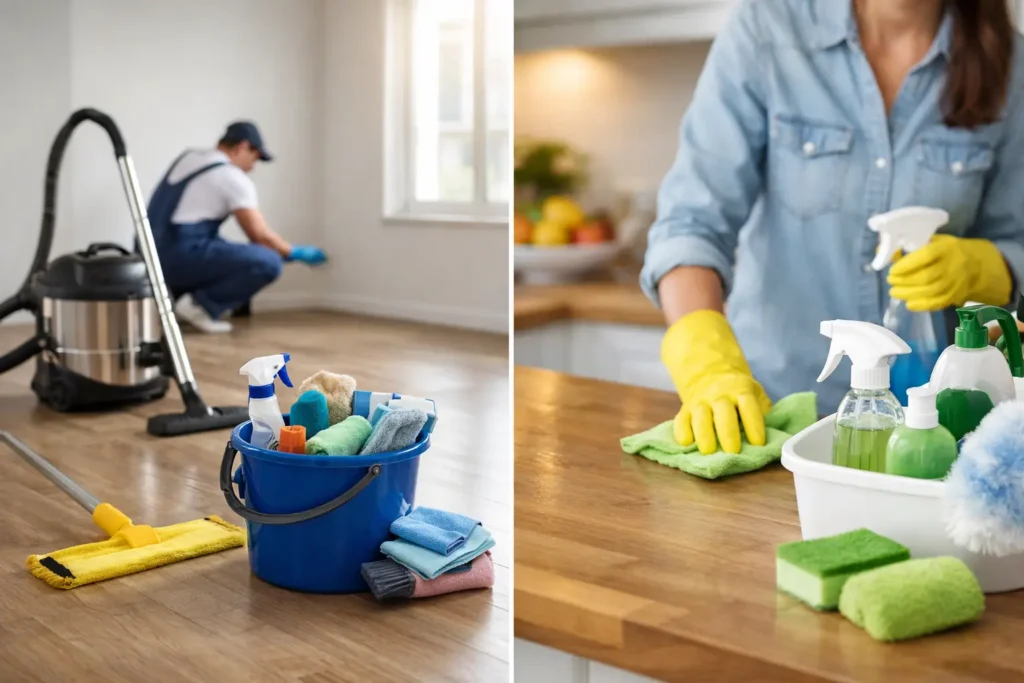
If you have ever walked through a rental the night before handover thinking, “It looks clean enough”, you already know where the trouble starts. End of lease cleaning vs regular cleaning: what’s the difference? Quite a lot, especially when a property manager is checking skirting boards, oven trays, grout lines and window tracks instead of simply noticing whether the place feels tidy.
Regular cleaning is about keeping a home or workplace presentable, hygienic and manageable from week to week. End of lease cleaning is a higher-standard, inspection-focused service designed to return a property to the condition expected under a tenancy agreement, allowing for fair wear and tear. One is maintenance. The other is compliance.
End of lease cleaning vs regular cleaning: what changes?
The biggest difference is the goal.
With regular cleaning, the aim is to maintain day-to-day cleanliness. That usually means vacuuming, mopping, wiping benches, cleaning bathrooms, dusting obvious surfaces and keeping things under control. It is practical, ongoing and built around liveability.
End of lease cleaning is not built around liveability. It is built around inspection readiness. That means detail matters more than speed, and areas that are often skipped in a standard clean suddenly become non-negotiable. Inside cupboards, rangehood filters, light switches, shower screens, splashbacks, door frames and marks on walls all attract attention when a tenant is moving out.
That is why tenants are often surprised by the price gap. It is not just “a bigger clean”. It is more labour, more time, more checking and usually more specialised equipment and products.
What regular cleaning usually includes
A regular clean is designed to keep a property fresh and functional. In most homes, that covers the tasks people notice first – floors, kitchen surfaces, bathroom fittings, mirrors, toilets, sinks and general dust removal. If booked weekly or fortnightly, it helps stop build-up before it becomes hard work.
For busy households in Parramatta and across Western Sydney, regular cleaning is often about consistency rather than perfection. The cleaner works around furniture, daily clutter and the fact that people are still living in the home. That naturally limits how deep the service goes.
A regular clean may include spot cleaning of marks, but it usually does not involve heavy degreasing, inside-appliance detailing, mould treatment, or intensive grout restoration unless those services are added separately. It is there to maintain standards, not reset the property from top to bottom.
If your floors are part of the challenge, especially in high-traffic areas, ongoing maintenance also works best when the surface itself is easy to clean. That is one reason many property owners look into durable finishes that handle wear better. For example, a low-maintenance surface can reduce the effort required between cleans, particularly in garages and utility spaces. You can read more about practical flooring options on the Floor Masters blog at https://floormasters.com.au/blog.
What end of lease cleaning usually includes
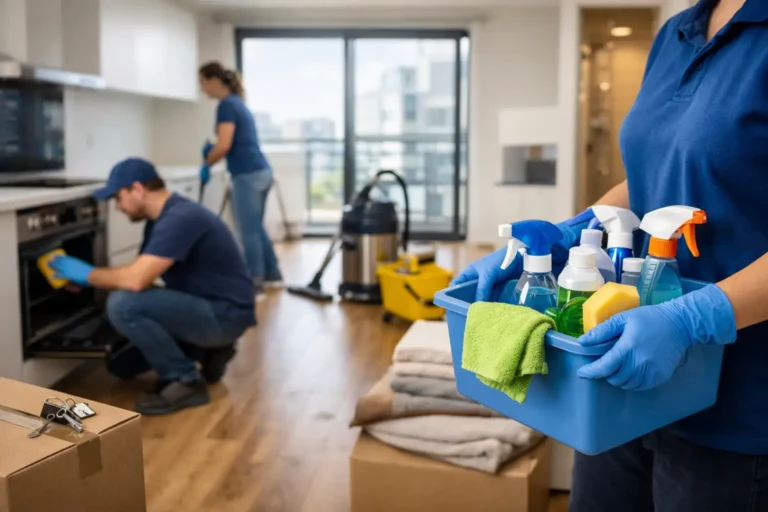
End of lease cleaning goes further because the property is expected to be vacant, fully accessible and ready for formal review.
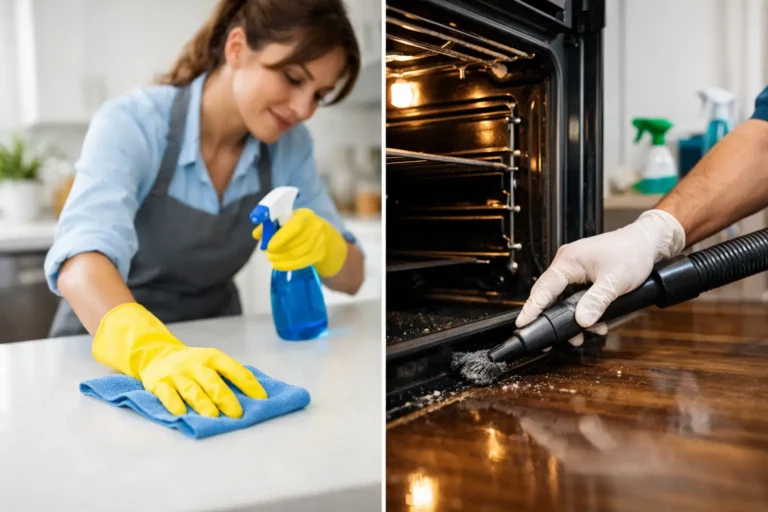
That usually means deep cleaning in the kitchen, including the oven, cooktop, rangehood, cupboards and drawers inside and out. Bathrooms are treated in more detail too, with closer attention paid to soap scum, grout, taps, screens, tiles and exhaust fans. Bedrooms and living areas often require wall mark removal where possible, skirting board cleaning, internal windows, tracks, wardrobes and a more methodical dusting of every reachable surface.
In many jobs, the cleaner also addresses areas that do not matter much during a regular service but matter a great deal at final inspection. Think power points, door handles, architraves, blinds, ceiling fans and cobweb removal. If carpets, pest control or external windows are part of the lease requirements, they may need to be arranged separately.
This is where confusion can cost money. A tenant may assume their usual cleaner can handle the move-out clean in the same time frame, but end of lease work is judged against a different standard. If the result falls short, the cleaner may have done a decent domestic clean and the tenant may still lose time or part of the bond.
Why property managers expect more than a tidy home
A home can feel clean and still fail an end of lease inspection.
That is because property managers and landlords are not assessing whether the place feels comfortable to live in. They are checking whether the property has been properly returned. Their checklist is more objective and more granular. Grease in the oven, dust on top of a wardrobe, residue inside drawers or grime in window tracks can all become issues, even when the floors are mopped and the bathrooms look fine at a glance.
There is also a legal and practical side to this. The outgoing tenant has a responsibility to leave the property in a reasonably clean condition, subject to the original entry report and fair wear and tear. That means cleaning cannot fix everything, but it does need to address dirt, build-up and neglect.
For landlords, a thorough exit clean also protects turnaround time. A property that is genuinely ready for the next tenant can be advertised, inspected and re-let faster.
It depends on the condition of the property
Not every end of lease clean is the same, and not every regular clean is light.
A well-maintained unit that has been cleaned fortnightly for two years may only need a more detailed final clean to meet inspection standard. A larger home with pets, cooking residue, neglected bathrooms or built-up dust will need far more time. The same goes for furnished versus vacant spaces, and whether there are speciality surfaces that need the right treatment.
This matters because some materials should not be attacked with harsh chemicals or aggressive scrubbing. Sealed concrete, epoxy-coated floors and decorative finishes are a good example. They are easier to maintain than many traditional surfaces, but they still benefit from the right cleaning methods. Using the wrong product can dull the finish or leave a residue that stands out under inspection lighting.
If you are managing a garage, workshop or commercial tenancy with coated concrete, it is worth understanding how the surface should be maintained before move-out. Articles on topics such as epoxy floor care, concrete grinding preparation and non-slip floor performance are useful reference points for owners planning a longer-term property upgrade. See the latest posts on https://floormasters.com.au/ for related guidance.
Which service should you book?
If you are staying in the property and simply want help keeping it under control, regular cleaning is the right fit. It is cost-effective, less disruptive and designed to support day-to-day hygiene.
If you are moving out, handing back keys, preparing for an agent inspection or getting a rental ready for new tenants, regular cleaning is usually not enough on its own. You need a service scoped for end of lease requirements.
For landlords and property managers, the answer depends on the stage of the tenancy. During occupancy, routine cleaning supports presentation and helps reduce long-term build-up. At changeover, end of lease cleaning is the safer choice because it is designed around turnover standards and time pressure.
For businesses, the same principle applies. A routine office or retail clean maintains appearance. A make-good clean at the end of a tenancy is closer to a project job, with more detailed scope and stricter expectations.
How to avoid problems with your bond or handover
The easiest mistake is assuming all cleaning services mean the same thing. They do not.
Before booking, ask what is included, whether the oven and internal windows are covered, and whether the job is priced for an occupied or vacant property. If your lease mentions carpets, pest treatment or pressure cleaning, check whether those are separate. It also helps to compare the outgoing condition against the entry report rather than relying on memory.
If the property has hard-wearing finishes such as epoxy in the garage or sealed concrete in utility areas, mention that upfront. The right team will know how to clean those surfaces safely without compromising their performance. In high-use properties, the quality of the surface itself can make future cleans faster, safer and more predictable – one reason many owners invest in flooring systems built to last.
A clean handover is rarely about doing the bare minimum. It is about meeting the standard the property will actually be judged against.
If you are still deciding between a maintenance clean and a move-out clean, use this rule: regular cleaning keeps a place presentable, while end of lease cleaning prepares it to be checked. That one distinction saves a lot of last-minute stress, and often a lot of money too.


1 comment
Comments are closed.