
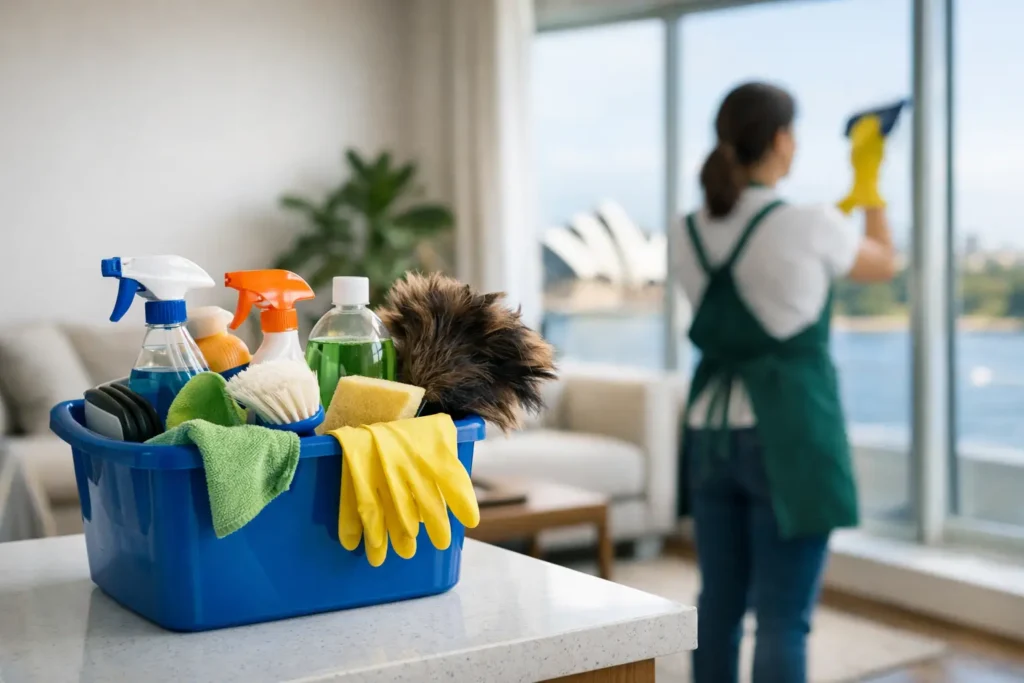
The grime usually gives itself away in the same places – the skirting boards you stopped noticing months ago, the shower screen that never looks fully clear, the grease sitting above the rangehood, and the dust building up along edges of hard flooring. That is exactly why the ultimate deep cleaning checklist for Sydney homes needs to be practical, room-specific and realistic enough to finish properly, not abandon halfway through Saturday.
For busy households, rental properties and homes being prepared for guests, sale or inspection, deep cleaning is less about making everything look perfect and more about restoring the parts of the home that regular weekly cleaning misses. The right checklist helps you work in the right order, protect surfaces and avoid wasting time re-cleaning areas you have already done.
Why a proper deep clean matters in Sydney homes
Sydney homes deal with a mix of dust, humidity, traffic and outdoor debris that can settle fast, especially in high-use areas like kitchens, bathrooms, entries and garages. Add pets, kids, renovation residue or end-of-lease pressure, and surface-level cleaning stops being enough.
A proper deep clean improves hygiene, but it also protects finishes. Built-up grime can dull tiles, stain grout, mark concrete and shorten the life of flooring coatings if harsh chemicals or abrasive scrubbing are used carelessly. That matters even more in homes with epoxy garage floors, polished concrete or coated surfaces that are designed to be durable but still benefit from the right maintenance approach.
If your floors are already showing wear, it is worth reading how to tell if your concrete floor needs grinding before assuming cleaning alone will fix the problem.
The ultimate deep cleaning checklist for Sydney homes starts with the right order
The biggest mistake people make is cleaning room by room without thinking about dust transfer, drying time or product compatibility. The more efficient approach is to work from top to bottom and dry areas before wet areas.
Start by opening windows where possible, clearing clutter, removing washable soft furnishings and gathering the right supplies. Use microfibre cloths, a HEPA vacuum if available, a pH-neutral floor cleaner, a degreaser for kitchen build-up, a proper bathroom cleaner and non-scratch pads. Stronger is not always better. On some surfaces, aggressive products can leave permanent dull patches or strip protective finishes.
Before you mop a single floor, dust ceiling corners, vents, light fittings, shelves and door frames. Vacuum next, then move to wiping, scrubbing and mopping. This order saves time and gives a cleaner finish.
Kitchen deep cleaning checklist
The kitchen usually needs the most effort because grease travels further than people think. Start high with tops of cabinets, splashback edges and exhaust areas. Then focus on cupboards, handles, switches and benchtops, paying attention to sticky build-up around cooking zones.
Appliances deserve more than a quick wipe. Clean the microwave inside and out, degrease the oven door, wipe the dishwasher seal and pull the fridge forward if safe to do so. The space behind and underneath often collects dust, crumbs and grease that attract odours.
Sinks should be scrubbed around the drain, tap base and overflow areas where residue builds up. If your kitchen has tiled flooring, grout lines will likely need a separate pass. If it has epoxy or coated concrete, avoid harsh acidic cleaners and stick with non-abrasive products that clean without damaging the surface.
For homes with hard-working garage or utility areas connected to the kitchen, why epoxy flooring is ideal for Sydney garages explains why easier maintenance starts with the right floor system.
Bathroom deep cleaning checklist
Bathrooms can look clean while still holding soap scum, mould spotting and mineral residue in corners and joints. Start with the exhaust cover, cornices and wall edges, then move down to mirrors, tiles and fixtures.
Shower screens need time, not just effort. Apply product and let it sit before scrubbing. The same goes for soap build-up around taps, drains and tile joints. Toilets should be cleaned fully, including the base, cistern, behind the bowl and the floor around it.
Pay close attention to grout and silicone. If discolouration is from staining, cleaning may help. If it is mould embedded into failing sealant, replacement is often the better option. That is one of those areas where deep cleaning has limits.
Finish with cupboards, drawers and vanity storage, removing dust and old product residue. Once all surfaces are dry, mop last.
Bedrooms and living areas
These rooms are easier to underestimate because the dirt is less obvious. Start with wardrobes, shelving, ceiling fans, blinds and window tracks. Dust settles in all the quiet zones first, especially around skirting boards, power points and behind furniture.
Vacuum soft furnishings thoroughly, including under cushions and bed edges. If you have rugs, vacuum both sides where possible. For hard flooring, avoid overwetting. Timber, laminate, polished concrete and epoxy-coated surfaces all respond better to controlled moisture and the right cleaner than a soaking mop.
Walls can also need spot cleaning, particularly near light switches, hall corners and children’s rooms. Use a gentle approach first. Rubbing too hard can remove paint sheen and leave obvious patches.
Entryways, laundries and high-traffic zones
These areas often carry the most dirt into the home and deserve extra attention. Entry tiles, hallway edges and laundry floors collect grit that can scratch surfaces over time if it is ground in under foot.
Clean doors, frames, handles and switch plates first. Then vacuum corners carefully before mopping. In laundries, wipe behind appliances if accessible, clean lint around the dryer area and check for detergent residue on shelves and splashbacks.
If your home includes a garage with coated flooring, cleaning is usually straightforward, but stains, tyre marks and surface wear should be treated properly. how to clean and maintain epoxy floors is useful if you want to keep that finish looking sharp without damaging it.
Floors need a different approach depending on the surface
Not every floor should be cleaned the same way, and that is where a lot of avoidable damage happens. Tiles can generally handle a stronger scrub, but grout may still need a targeted product. Timber and laminate need low-moisture methods. Concrete can hold fine dust and staining, especially if unsealed. Epoxy is durable and low-maintenance, but it still performs best with pH-neutral cleaning and non-abrasive tools.
If a floor still looks patchy after deep cleaning, the issue may not be dirt. It may be etching, wear, failed coating or surface damage. In those cases, cleaning improves presentation but does not solve the root problem.
When to deep clean yourself and when to bring in help
A full-home deep clean is absolutely doable if the property is maintained reasonably well and you can commit the time. But if you are dealing with end-of-lease pressure, post-renovation dust, heavy bathroom build-up, neglected kitchens or worn concrete areas, professional help can save a lot of effort and often deliver a better result.
It also depends on the goal. If you are cleaning for comfort, you can stage the work over a week. If you are cleaning for an inspection, open home or handover, speed and consistency matter more.
For flooring-specific issues, especially garages, workshops and utility areas, surface preparation can be the real fix. Cleaning removes grime. Grinding, repairs and new coatings address the condition of the floor itself. If that sounds closer to your problem, Floor Masters can help you assess whether cleaning is enough or whether the surface needs proper preparation and a more durable finish.
A realistic deep cleaning schedule that actually gets finished
Trying to deep clean an entire house in one push sounds efficient, but it often leads to rushed work and missed details. A better approach is to split the job into zones. Kitchens and bathrooms first, bedrooms and living spaces next, then utility areas and floors last.
If you are in a family home, do the high-impact tasks first – showers, kitchen grease, skirting boards, tracks and floors. Those are the areas that change the feel of the whole house fastest. The less visible jobs, like wardrobe tops and behind appliances, can follow once the main spaces are reset.
A deep clean works best when it is treated as maintenance with a purpose, not punishment for putting things off. The goal is a home that feels healthier, presents better and protects the surfaces you have invested in. Start with the mess you can see, deal properly with the grime you cannot, and if your floors still look tired afterwards, the surface may be telling you it needs more than a mop.
Need a Hand With the Cleaning?
Book online in 2 minutes with instant, GST‑inclusive prices. New customers get 10% off their first clean.