
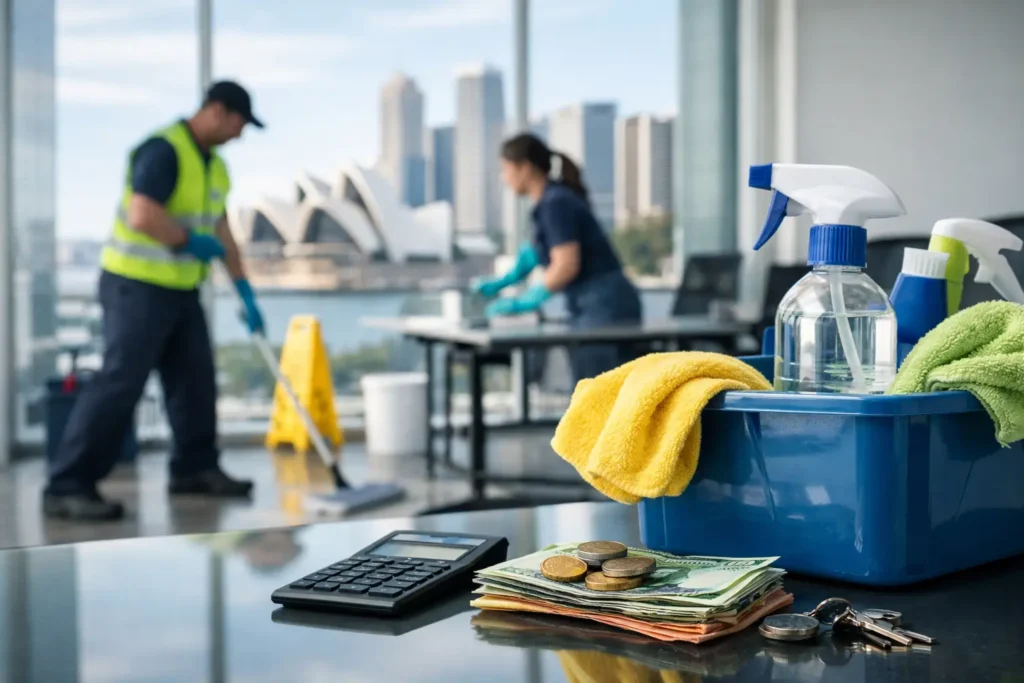
A cheap cleaning quote can look fine on paper until you notice what has been left out – consumables, high-touch disinfection, after-hours access, carpet work, hard floor care, or the extra time needed for a busy site. That is why commercial cleaning costs in Sydney are rarely just about an hourly rate. For businesses, strata managers and property teams, the real question is what level of cleaning is being priced, how often it is needed, and whether the result protects your premises, staff and visitors.
In Sydney, commercial cleaning prices move for practical reasons. A small office with tidy staff kitchens and low foot traffic is one thing. A retail shop, medical suite, warehouse office or multi-tenant building is another. The size of the site matters, but so do the surfaces being cleaned, the risk profile, access restrictions and the standard you expect day after day.
What affects commercial cleaning costs in Sydney?
The biggest driver is scope. If a business wants bins emptied, amenities cleaned, kitchens wiped down and floors vacuumed three nights a week, that will cost less than a daily service that includes touchpoint sanitising, glass detail work and periodic deep cleans. Many quote differences come down to what is included as routine work and what is treated as an extra.
Site type also changes pricing. Offices are usually the most straightforward because tasks are predictable and access is easier outside business hours. Retail can be more demanding because presentation matters and glass, entries and toilets get used heavily. Industrial sites may need specialist attention around dust, grease, loading areas and safety compliance. Medical and childcare environments often carry stricter hygiene expectations, which increases labour time and product requirements.
Timing affects cost too. If cleaners can work during standard evening hours with easy key access, the rate is often more competitive. If the job needs very early starts, weekend attendance, security sign-in procedures or staged cleaning around trading hours, pricing rises because the labour is harder to schedule.
Then there is condition. A well-maintained premises is cheaper to clean than one that has been neglected. Heavy soil build-up, stained grout, marked walls, dirty carpets or damaged hard floors all add time. In some cases, cleaning alone is not the full answer. If concrete is porous, dusty or difficult to maintain, the ongoing cleaning bill can stay high because the surface itself is working against you.
Typical pricing models businesses will see
Most commercial cleaners in Sydney quote in one of three ways – hourly, per visit or as a fixed monthly contract. Hourly pricing is common for ad hoc work or sites where the scope is not settled. It can be useful for short-term flexibility, but it makes budgeting harder if task times blow out.
Per-visit pricing suits straightforward recurring jobs. It gives a cleaner figure for each service and helps compare like-for-like inclusions. Monthly contracts are common for regular sites because they spread the workload and create predictable budgeting, though they only work well when the scope is clearly written.
For many businesses, fixed pricing is the safer option, but only if the quote specifies frequency, task lists, consumables, periodic work and exclusions. A lower monthly figure is not a better deal if the cleaner later charges extra for windows, carpet spot treatment, sanitary supplies or hard floor maintenance.
Rough cost ranges for Sydney businesses
There is no single rate that fits every premises, but many Sydney businesses will see general commercial cleaning priced from around $45 to $75 per labour hour depending on complexity, timing and risk. Small offices may receive per-visit quotes starting in the low hundreds for light recurring services. Larger offices, retail sites and mixed-use commercial spaces can quickly move into higher weekly or monthly totals once amenities, glass, kitchens and consumables are included.
Specialist services sit outside the usual routine cleaning figure. Carpet steam cleaning, hard floor scrubbing, pressure cleaning, strip-and-seal work and post-build cleans are usually quoted separately. This is where some businesses get caught. They compare a low general cleaning proposal against a more complete quote without realising one contractor has priced periodic maintenance and the other has not.
That difference matters even more for hard surfaces. If your premises has concrete or resin flooring, the wrong maintenance method can shorten the life of the finish or leave the floor slippery and dull. A cleaner may quote less because they are not allowing for the right equipment, cleaning chemistry or drying time.
Why floor type has a direct impact on cleaning costs
Flooring is one of the biggest hidden variables in commercial cleaning costs in Sydney. Carpeted offices need vacuuming and occasional extraction, but damaged hard floors can become a constant labour issue. Uneven concrete traps dirt. Worn coatings hold stains. Dusting surfaces need more frequent attention in warehouses and workshops.
That is why some businesses look beyond cleaning alone and invest in surfaces that are easier to maintain. A properly prepared and installed epoxy floor creates a sealed, durable finish that resists dust, staining and wear far better than bare concrete. It can reduce cleaning time, improve presentation and support safer movement in busy work areas.
If you are weighing up long-term site costs, it is worth understanding how the floor finish affects your cleaning budget. Articles such as why epoxy flooring is ideal for warehouses, how concrete grinding improves surface preparation, and non-slip epoxy flooring for commercial spaces help explain why maintenance costs are often tied to the surface underfoot.
What should be included in a cleaning quote?
A proper quote should tell you more than price. It should define the site, service frequency, exact tasks, exclusions, access times and who supplies consumables. It should also note whether equipment is included and whether periodic items such as carpet cleaning, internal glass, pressure washing or deep kitchen work sit outside the routine contract.
For commercial properties, quality control matters just as much as the number. Ask how inspections are handled, how issues are logged, and whether the team is insured and trained for the environment. If the premises has slip-risk areas, back-of-house storage, polished entries or food preparation zones, the contractor should be pricing with those realities in mind.
If a quote is vague, expect problems later. Scope gaps usually show up as missed tasks, rushed cleans or variation charges. Honest pricing is not about being the cheapest. It is about being clear enough that the result matches the promise.
Cheap quotes vs value: where businesses get caught
There is always pressure to reduce operating costs, especially for multi-site operators, landlords and small businesses. But cleaning is one of those services where the cheapest option often becomes expensive in other ways. Poor cleaning can affect staff morale, customer impressions, odour control and even safety. In shared amenities and entries, it can also create complaints that take time to manage.
The same logic applies to floors. A site with cracked, dusty or hard-to-clean surfaces needs more effort every visit. Over time, the business pays again and again for a problem that better surface preparation or a more suitable finish could have reduced. For some premises, especially warehouses, commercial kitchens, workshops and retail back-of-house areas, maintenance-friendly flooring is part of cost control, not just appearance.
How to compare commercial cleaning quotes properly
Start by checking whether the scope is genuinely the same. Compare frequency, inclusions, periodic work and consumables before comparing price. Then look at the site assumptions. Has one contractor allowed for after-hours access, security procedures and detailed amenities while another has priced the site as a quick clean?
Next, consider outcome. Will the service keep the premises presentable, hygienic and safe, or does it only cover the bare minimum? A lower rate can still be good value if the scope is realistic and the contractor is reliable. But if the quote feels too light for the building, it usually is.
Finally, think beyond the cleaning contract itself. If your business is spending too much time and money maintaining worn concrete or damaged hard floors, the better question may be whether the surface needs upgrading. A durable floor system can change the cleaning equation for years, especially in high-traffic commercial settings.
For businesses reviewing premises costs, Floor Masters provides epoxy flooring and concrete preparation solutions that are built for performance, easier maintenance and safer day-to-day use. You can see more at Floor Masters.
A good cleaning quote should leave you with fewer unknowns, not more. If the numbers vary widely, look past the headline price and ask what standard of work your premises actually needs to stay clean, safe and presentable over time.
Need a Hand With the Cleaning?
Book online in 2 minutes with instant, GST‑inclusive prices. New customers get 10% off their first clean.