
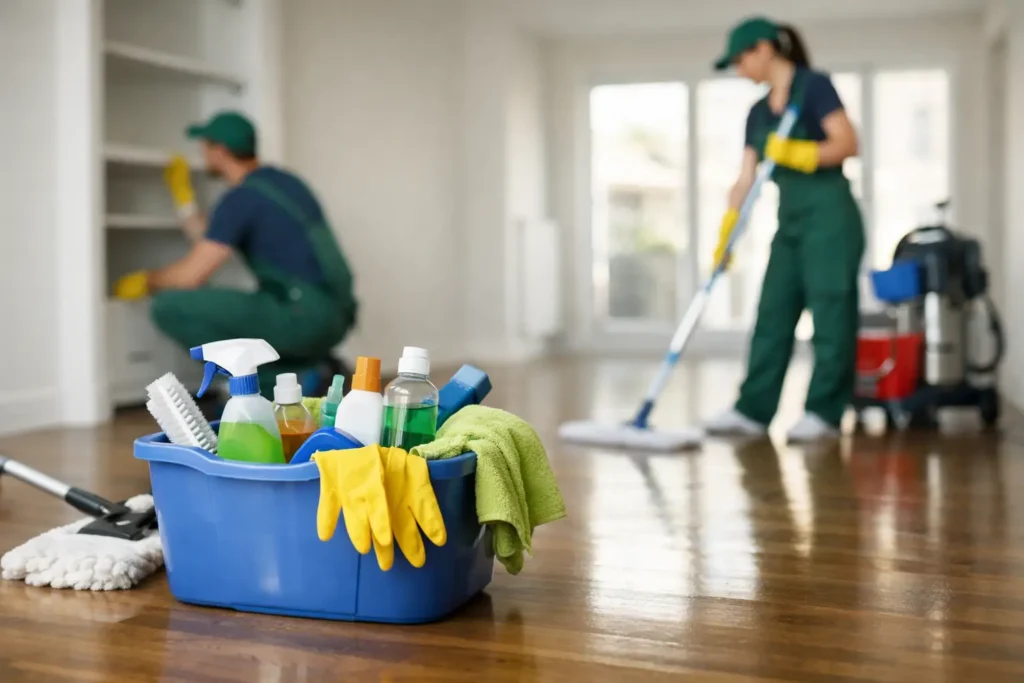
A final inspection can turn on small details. A dusty skirting board, soap scum in the shower screen, grease on the rangehood filter, or marks on a garage floor can be enough to trigger a callback from the agent. If you’re moving out of a rental in Merrylands, the job is not just to make the place look tidy. It needs to meet the standard set out in your lease and leave little room for dispute over the bond.
This guide is built for tenants who want a practical, low-stress plan. It covers what agents usually look for, where tenants get caught out, whether to clean it yourself or hire a professional, and how to avoid paying twice for a rushed result.
End of lease cleaning in Merrylands: complete tenant guide
End of lease cleaning is different from a regular weekly clean. It is more detailed, more time-sensitive, and tied directly to money. In most cases, the property needs to be returned in a reasonably clean condition, allowing for fair wear and tear. That last part matters. Faded paint, old carpet wear, and minor ageing are not the same thing as dirt, grime, spills, or neglect.
In Merrylands, where many rentals are apartments, duplexes, and family homes with high-use kitchens and bathrooms, the biggest issues tend to be grease build-up, moisture-related mould, window tracks, and floors that look clean until sunlight hits them. Property managers notice these areas because they are easy to compare against the incoming condition report.
A good rule is simple – if a surface has been used, touched, splashed, or walked on, assume it will be checked.
Start with your lease and condition report
Before you touch a mop or book a cleaner, pull out the original condition report and read the lease terms. This saves guesswork. Some properties have extra requirements around carpet steam cleaning, flea treatment if pets were kept at the home, or rubbish removal from balconies, courtyards, storage cages, and garages.
The condition report tells you what the property looked like when you moved in. If the oven had existing wear or the blinds were already discoloured, that can help if questions come up later. It also keeps the conversation focused on condition rather than opinion.
If something is damaged, do not assume cleaning will cover it. Cleaning fixes dirt. It does not fix chipped tiles, broken fittings, torn flyscreens, or etched benchtops. Where repair is needed, it is usually better to raise it early than hope it gets overlooked.
The areas that most often decide the bond
Kitchens carry the most risk because grease spreads further than most tenants realise. The stovetop, splashback, oven glass, rangehood, filters, cupboard fronts, drawer runners, and the space behind small appliances all collect residue. If the kitchen looks clean at first glance but smells of old cooking oil, the job is not finished.
Bathrooms come next. Soap scum, calcium build-up, mould in grout lines, hair in drains, dusty exhaust fans, and cloudy shower screens are all common inspection points. Toilet hinges and the base behind the pan are often missed in a quick clean.
Windows also catch tenants out. It is not only the glass. Tracks, sills, frames, flyscreens, and sliding door runners hold dust and insects. In apartments near busy roads, grime can build up faster than expected.
Floors matter because they change the whole impression of the property. Vacuuming is not enough if there are sticky patches, scuff marks, ingrained dirt along edges, or stained grout. Hard floors should be properly cleaned according to the surface. Overwetting can cause damage on some materials, while harsh products can dull sealed finishes.
DIY or professional cleaning – what makes sense?
It depends on time, property size, condition, and how confident you are with detail work. If the place has been kept in very good shape and you have a full day or two spare, a DIY clean can work. The risk is that moving day compresses everything. By the time the removalists leave, energy is low and the hidden jobs still remain.
A professional service makes more sense when the property has not had regular deep cleaning, when there is a strict inspection deadline, or when carpets, ovens, tiled bathrooms, or garages need extra attention. Paying for a proper exit clean can be cheaper than losing part of the bond and then arranging a re-clean at short notice.
If you hire help, make sure the scope matches end of lease standards, not just a standard house clean. Ask what is included, whether carpet steam cleaning is separate, and whether they can return if the agent raises a cleaning-related issue. For tenants in Western Sydney, using an established local team such as Mega Cleaning can reduce delay and confusion because they are used to the pace and expectations of local property managers.
End of lease cleaning in Merrylands: what to do room by room
Start at the top of each room and work down. That keeps dust from falling onto areas you have already cleaned.
In bedrooms and living areas, wipe wardrobes inside and out, remove cobwebs, clean light switches, power points, skirting boards, door frames, and window tracks. Dust ceiling fans and air-conditioning vents if accessible. If there are wall marks, use care. Aggressive scrubbing can remove paint, which then becomes a repair issue instead of a cleaning issue.
In the kitchen, focus on degreasing rather than just wiping. Pull out trays from the oven, clean the seals, and check the area under the burners. Empty cupboards completely and wipe shelves. Do not forget the dishwasher filter, sink drain, and the outside of appliances if they are included with the property.
In bathrooms and laundries, use the right product for soap scum and mineral deposits. A weak general spray will not cut through heavy build-up. Clean mirrors to a streak-free finish, wipe inside vanity cupboards, and disinfect touchpoints such as handles and taps. If mould keeps returning, the issue may be ventilation as much as cleaning, but surface mould still needs to be removed before inspection.
For balconies, courtyards, garages, and entry areas, remove all rubbish, sweep thoroughly, and treat stains where possible. Garages are often handed back with dust, leaves, oil spots, and neglected corners. If the floor is concrete, do what you can safely, but know the limits. Some stains soak in deeply and need professional surface treatment rather than ordinary mopping.
Timing matters more than most tenants expect
The best clean is usually done after the property is empty. Furniture hides dust, marks, and floor damage. Once everything is out, you can see the real condition and clean properly around edges and under where beds, lounges, and whitegoods sat.
Try not to leave the clean to the final few hours before key return. If an issue comes up – a stubborn oven, carpet stain, mould patch, or rubbish left in the garage – you need time to fix it. Ideally, finish cleaning with enough daylight left to do a slow walkthrough and take photos.
If utilities are still connected, keep them on until the clean is complete. No power means poor visibility. No water makes proper bathroom and kitchen cleaning impossible.
Common mistakes that lead to re-cleans
The first mistake is confusing tidy with inspection-ready. Empty rooms can still fail if details are missed. The second is using the wrong products. Strong chemicals can damage stone, timber, some painted finishes, and coated floors. The third is forgetting exterior-adjacent areas such as sliding door tracks, balconies, bins, and garages.
Another common problem is leaving personal items or rubbish behind. Even a few things in a cupboard or storage area can create friction with the agent. The same goes for smells. Pet odours, cigarette smoke, mildew, and strong cooking smells can linger after surfaces look clean.
Documentation helps. Take clear photos after the clean, especially of the oven, bathrooms, inside cupboards, windows, and any existing wear noted at the start of the lease. It is a simple step that can save a long back-and-forth later.
When floors need extra attention
Tenants usually focus on kitchens and bathrooms first, but floors shape the final impression fast. Scuffed tiles, dirty grout lines, adhesive residue, paint specks, and stained concrete in garages or storage areas can make the whole property feel unfinished.
This is where trade-offs matter. A basic mop may be enough for light dust, but not for ingrained grime. On tougher surfaces, more aggressive cleaning can help, but only if the method suits the material. Some floors benefit from mechanical preparation or specialist treatment, while others need a gentler approach to avoid damage. If a concrete garage floor or hard-wearing utility area is heavily marked, it may be worth getting advice from a surface specialist rather than throwing random chemicals at it.
How to hand the property back with less stress
Think like the inspector. Open every cupboard. Look behind doors. Check from eye level and from the doorway, where first impressions happen. Then check the places that get touched but not seen often – switches, handles, extractor covers, and skirtings.
If you are short on time, prioritise the areas most tied to disputes: oven, rangehood, showers, toilets, window tracks, floors, and rubbish removal. Those are the zones most likely to trigger a return visit.
A strong end of lease clean is not about making the property look brand new. It is about showing care, meeting a fair standard, and leaving no obvious reason for money to be held back. If you plan early, clean methodically, and get help where the job is beyond a standard household clean, you give yourself the best chance of a smooth handover and a full bond return.
Need a Hand With the Cleaning?
Book online in 2 minutes with instant, GST‑inclusive prices. New customers get 10% off their first clean.