
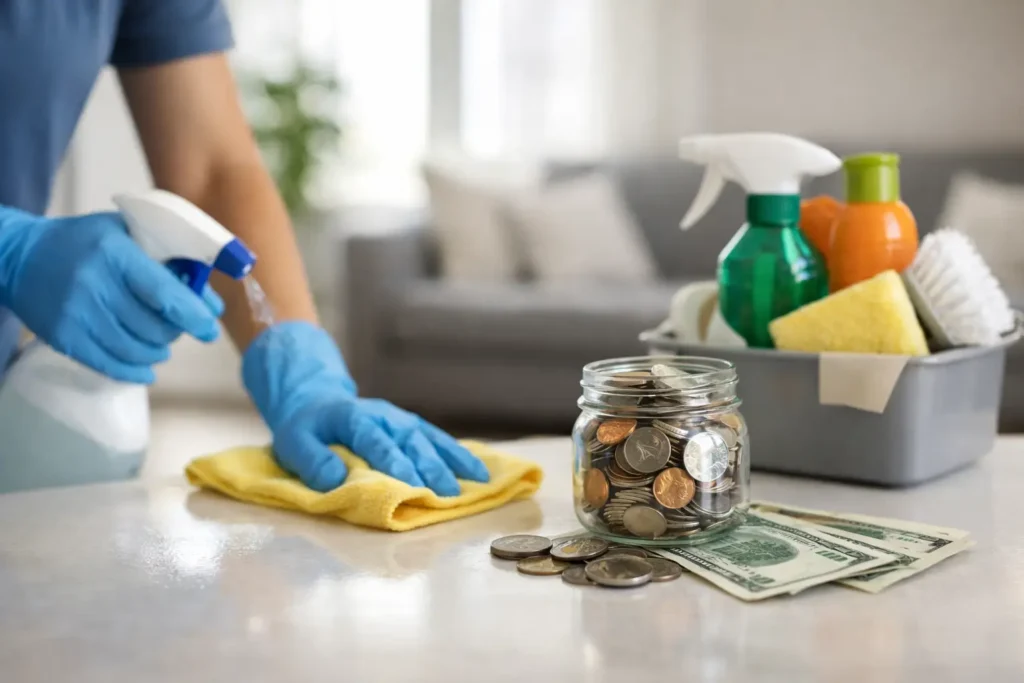
If you are comparing quotes and wondering how much does residential cleaning cost, the short answer is that pricing depends on the size of your home, the type of clean, and the condition of the property. A small apartment needing regular upkeep will usually cost far less than a large family home that needs a deep clean before guests arrive or a detailed move-out service.
For most households, the real question is not just price. It is what is included, how long the job will take, and whether the cleaner will do the work properly the first time. Cheap quotes can look attractive, but they often leave out important tasks or allow too little time to clean to a professional standard.
How much does residential cleaning cost on average?
In the Australian market, residential cleaning is commonly priced either by the hour or by the job. For regular house cleaning, many providers charge an hourly rate, while deep cleaning, end of lease cleaning, carpet cleaning, or oven cleaning are more often quoted as fixed-price services.
As a general guide, standard residential cleaning often falls within these ranges:
- Regular house or apartment cleaning: around $35 to $60 per hour per cleaner
- Fixed-price general cleans for smaller homes: often from $120 to $250
- Deep cleaning: commonly from $200 to $500 or more depending on scope
- End of lease cleaning: often from $250 upward, with larger homes costing significantly more
- Add-on services such as oven, carpet, window, or upholstery cleaning: usually priced separately
These numbers are useful as a starting point, but they are not universal. Sydney pricing can sit higher than other areas because labor, travel, and business operating costs are higher. A home in Western Sydney may still be quoted differently from one in the CBD depending on access, parking, and travel time.
What affects residential cleaning prices?
The biggest pricing factor is usually the amount of labor required. Cleaning companies are not just charging for products and equipment. They are pricing the time, staff, insurance, and level of detail needed to complete the job properly.
Size of the home
A studio apartment and a five-bedroom house are not in the same category. More rooms usually mean more floors to vacuum, more surfaces to wipe, and more bathrooms and kitchens to sanitize. Even homes with a similar bedroom count can vary if one has multiple living areas, a large laundry, or extensive glass.
Type of cleaning service
A regular maintenance clean is usually the most affordable option because the home is already being kept in reasonable condition. A deep clean costs more because it targets built-up grime, neglected areas, and more detailed work. End of lease cleaning is usually more intensive again, especially when a tenant needs the property cleaned to inspection standard.
Condition of the property
This is where prices can change quickly. A home that has been cleaned consistently every two weeks is faster to service than one that has not had professional cleaning in months. Heavy soap scum, grease buildup, pet hair, stains, and clutter all add time.
Number of bathrooms and kitchens
Wet areas take the most effort. Bathrooms and kitchens need disinfection, scrubbing, and attention to buildup on tiles, sinks, fittings, stovetops, and splashbacks. If your home has several bathrooms, expect the quote to reflect that.
Frequency of service
Regular bookings often cost less per visit than one-off cleaning. That is because ongoing clients usually need less catch-up work, and the cleaner can maintain a consistent standard over time. Weekly or fortnightly services are commonly more cost-effective than occasional once-off cleans.
Extras and specialist work
Not every quote includes the same scope. Inside oven cleaning, internal windows, balcony cleaning, carpet steam cleaning, upholstery cleaning, and wall spot cleaning are often treated as add-ons. If you are comparing providers, this is where the cheapest quote can stop being the cheapest.
Standard cleaning vs deep cleaning
If you are trying to control costs, it helps to understand the difference between service levels.
A standard clean is designed for routine upkeep. It usually covers vacuuming, mopping, dusting, wiping reachable surfaces, kitchen bench cleaning, bathroom cleaning, and general tidying of visible areas. This is the right fit for busy households that want the home kept clean on an ongoing basis.
A deep clean goes further. It may include more detailed bathroom scrubbing, removal of built-up grime, skirting boards, doors and frames, light switches, detailed kitchen cleaning, and other areas that are not always covered in a standard visit. It costs more, but it is often the smarter starting point if the home has been neglected or if you want to reset the property before moving to a regular schedule.
How pricing works for apartments, houses, and move-outs
Apartments are often less expensive than freestanding homes because they tend to have smaller floorplans. That said, apartment cleaning can still cost more than expected if there are multiple bathrooms, difficult parking arrangements, lift access delays, or strict building access rules.
Houses are usually priced based on the number of bedrooms, bathrooms, and total living areas, but layout matters too. A compact three-bedroom home can be faster to clean than a spread-out two-story property with extra entertaining spaces.
Move-out or end of lease cleaning is usually one of the most detailed residential services. Real estate inspections focus on kitchens, bathrooms, floors, windows, and presentation. If carpets, ovens, blinds, or walls also need attention, the quote can rise. This is one area where choosing on price alone can be risky. If the cleaning is not completed properly, the tenant may face delays or disputes over the bond.
Hourly rates or fixed quotes?
Both models can work, but they suit different situations.
Hourly pricing is common for regular domestic cleaning because it gives flexibility. If you want a cleaner to focus on the bathrooms and kitchen one week, then spend extra time on dusting and floors the next, hourly service makes sense. The trade-off is that the final cost can vary depending on how much work is needed on the day.
Fixed quotes are often better for one-off services where the scope needs to be clear from the start. Deep cleans, end of lease cleaning, and specialist jobs are usually easier to manage this way. You know the expected cost upfront, and the company knows what standard it is committing to deliver.
How to compare cleaning quotes properly
A lower quote is only useful if it covers the work you actually need. Before booking, check whether the quote includes bathrooms, kitchens, floors, dusting, trash removal, and visible surface cleaning. Ask whether supplies and equipment are included and whether specialist services are separate.
It also helps to ask how many cleaners will attend and whether the company is insured. A professional service should be clear about what is included, what is excluded, and how access, keys, pets, or parking are handled. Straightforward pricing is part of good service, not an extra.
For homeowners, renters, and property managers, reliability matters just as much as price. If a cleaner turns up late, rushes through the work, or misses key areas, the real cost is your time and frustration. That is why many customers choose providers like Mega Cleaning Services that focus on trained staff, insured service, and clear communication rather than vague low-cost offers.
Ways to keep cleaning costs reasonable
The easiest way to reduce long-term cleaning spend is to book regular maintenance instead of waiting until the home becomes difficult to manage. Routine service usually takes less time and helps avoid the higher cost of deep catch-up work.
You can also save by being clear about priorities. If your main concern is bathrooms, kitchen, and floors, say that upfront. Not every visit needs every task. Some households rotate extras like internal windows or detailed dusting every few appointments instead of adding everything at once.
Decluttering before the cleaner arrives can make a difference too. Professional cleaners are there to clean, not to organize around piles of clothes, toys, paperwork, or dishes left throughout the home. The easier the surfaces are to access, the more value you get from the booked time.
So, what should you expect to pay?
For a smaller home needing a routine clean, you may pay a fairly modest amount for a short visit. For a larger property or a one-off deep clean, expect the price to rise with the time and detail involved. If you need specialist work such as oven cleaning, carpet cleaning, or move-out cleaning, that should be quoted separately or clearly included in the total.
The best quote is not always the lowest one. It is the one that matches your home, your expectations, and the level of care you need. When pricing is clear and the service is dependable, residential cleaning becomes less of a guess and more of a practical way to keep your home in good order.
Need a Hand With the Cleaning?
Book online in 2 minutes with instant, GST‑inclusive prices. New customers get 10% off their first clean.