
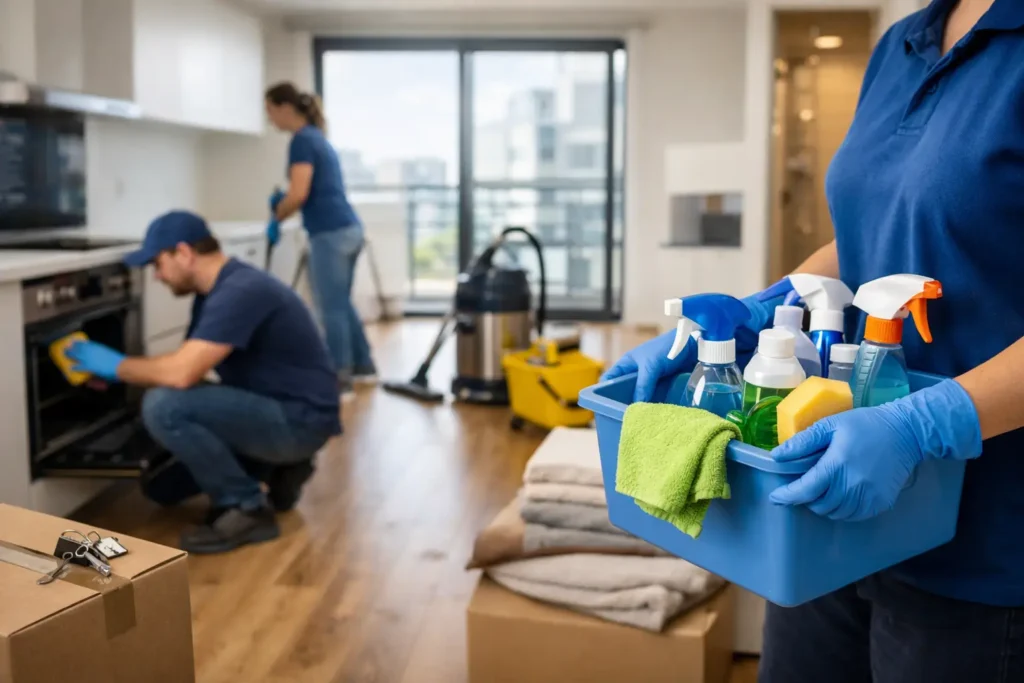
Moving day gets stressful fast when the place still needs to be cleaned top to bottom. If you are asking what does end of lease cleaning include, the short answer is this: it is a detailed move-out clean focused on bringing the property back to a presentable, inspection-ready condition. That usually means more than a regular weekly clean and closer attention to kitchens, bathrooms, floors, built-in storage, and marks that stand out during a final inspection.
For renters, this matters because property managers and landlords are usually looking for cleanliness that matches the condition expected at handover, allowing for fair wear and tear. For property managers, it matters because a properly cleaned property is easier to inspect, list, and turn over to the next tenant without delays.
What does end of lease cleaning include in most homes?
In most apartments, houses, and rental units, end of lease cleaning includes a full clean of the interior rooms. The aim is not just to make the home look tidy. It is to address the areas that collect grease, soap residue, dust, fingerprints, and buildup over time.
A standard scope usually covers bedrooms, living areas, hallways, bathrooms, laundry areas, and the kitchen. Cleaners generally wipe reachable surfaces, remove dust, vacuum and mop floors, clean mirrors, spot clean marks on walls where appropriate, and pay close attention to fixtures, switches, skirting boards, doors, and handles. Window interiors, tracks, ledges, and accessible glass are often included as part of the internal clean, but the exact scope can vary depending on the property and access.
This is where many tenants get caught out. End of lease cleaning is not the same as a quick wipe-down after packing. Once furniture is gone, dust behind beds, grease around the cooktop, marks inside cupboards, and grime in bathroom corners become much more obvious.
Kitchen cleaning is usually the most detailed part
The kitchen often takes the longest because it collects the most visible buildup. A proper end of lease clean usually includes wiping and sanitizing countertops, splashbacks, sink areas, taps, cupboard fronts, drawers, and shelves. The exterior and interior of cabinets are commonly cleaned, especially when they are empty and accessible.
Appliances also get attention, but this is where the scope can differ. Many end of lease cleaning services include cleaning the stovetop, range hood exterior, sink, and visible appliance surfaces as part of the standard service. The inside of the oven is often treated as a separate oven cleaning task, especially if there is baked-on grease. The same can apply to the inside of the refrigerator if it has been left switched off and emptied.
If you want the kitchen inspection-ready, it is worth checking exactly what is included before the service starts. A tenant may assume the oven trays, range hood filters, and cabinet interiors are covered, while the cleaner may have only allowed for general kitchen cleaning unless deeper appliance work was requested.
What cleaners focus on in the kitchen
The main priorities are grease, crumbs, food residue, and fingerprints. Inspectors tend to notice stovetops, sinks, handles, splashbacks, and the inside of storage areas quickly, so those areas are usually cleaned with extra care.
Bathrooms need more than a surface clean
Bathrooms are another high-focus area because soap scum, water marks, hair, and mold staining can build up gradually. End of lease cleaning generally includes scrubbing showers, bathtubs, tiles, taps, sinks, vanities, toilets, mirrors, and floors. Shower screens often need detailed work to reduce soap residue and hard water marks as much as possible.
Exhaust fans, towel rails, cabinet fronts, and light switches are also typically cleaned. If the property has multiple bathrooms or an ensuite plus a separate toilet, each area should be cleaned individually rather than treated as one combined room.
There is an important difference between cleaning and restoration. A professional cleaner can remove grime and surface buildup, but long-term staining, damaged grout, worn silicone, or permanent etching on glass may not improve fully. That is not a cleaning failure. It is simply the limit of what cleaning can fix.
Bedrooms and living areas are cleaned for presentation
In bedrooms and living spaces, the work is usually less intensive than the kitchen or bathroom, but the detail still matters. End of lease cleaning commonly includes dusting surfaces, wiping wardrobes inside and out where accessible, cleaning mirrors, vacuuming carpet, and mopping hard floors. Doors, frames, handles, light switches, power points, and skirting boards are often wiped as well.
Cobweb removal is usually part of the service, especially around corners, ceilings, and window areas. If there are built-in wardrobes, inspectors often open them, so shelves, rails, and tracks should not be overlooked.
Wall cleaning can be more limited than tenants expect. Light spot cleaning of marks may be included, but heavily scuffed walls, paint damage, or large stain removal may need separate attention. It depends on the wall finish, the condition of the paint, and whether cleaning risks making the surface worse.
Floors, windows, and small details make a big difference
A lot of move-out inspections come down to details. Floors should be vacuumed thoroughly and hard surfaces mopped, but edges, corners, and under accessible fixtures matter too. If the property has carpet, some leases or agents may expect professional carpet cleaning, especially where pets have been kept or where that requirement is set out in the agreement.
Internal windows are commonly cleaned as part of end of lease work, along with tracks and sills where reachable. Smudges on glass, dirty tracks, and dusty blinds can make an otherwise clean room look unfinished. The same goes for ceiling fans, air vent covers, and fingerprints around door frames.
These are not glamorous tasks, but they are often the difference between a property that looks generally clean and one that looks ready for handover.
What is often not included automatically
When people ask what does end of lease cleaning include, they are usually also asking what might be extra. That is a smart question, because not every move-out clean covers every item by default.
Carpet steam cleaning, deep oven cleaning, external window cleaning, balcony washing, wall washing, pressure cleaning, blind cleaning, upholstery cleaning, and garage cleaning may be separate services depending on the job. The same can apply to heavily soiled properties, furnished properties, or homes with pet hair, grease buildup, or post-renovation dust.
The reason is simple. A standard move-out clean is based on expected condition, time, and access. Once the property needs specialist equipment, extra labor, or more intensive stain removal, the scope changes.
Why the scope can vary from one property to another
A studio apartment in good condition is very different from a large family home that has been occupied for years. The number of bathrooms, floor type, appliance condition, and whether the property is empty all affect what is practical and how long the job will take.
That is why a clear checklist matters more than assumptions. Good cleaning companies explain what is covered, what is optional, and what depends on inspection of the property.
How to prepare so the clean goes smoothly
A better result usually starts before the cleaners arrive. The property should be mostly or fully empty so all surfaces, cupboards, floors, and corners can be accessed properly. Power and water should still be connected on the day of the clean, and personal belongings should be removed unless specific items are staying with the property.
It also helps to check the lease requirements or the property manager’s cleaning expectations in advance. Some agents pay particular attention to carpet cleaning, range hoods, window tracks, or garages. If those items matter at inspection, they should be discussed before booking.
For tenants in Sydney, especially in busy move periods across Western Sydney and surrounding areas, timing matters too. Leaving the clean until the last minute creates pressure for everyone. Booking early gives you a better chance of coordinating access, keys, and any extra services without rushing.
When professional end of lease cleaning makes sense
Some tenants can handle their own move-out cleaning, especially in a smaller property that has been well maintained. But for larger homes, tight deadlines, or properties with kitchens and bathrooms that need serious attention, professional help often saves time and reduces stress.
A professional team usually works through the property systematically, with the equipment, products, and experience needed for a more thorough result. That does not mean every mark or every sign of age disappears. It means the property is cleaned to a level that supports a smoother inspection process.
For property managers and landlords, that same consistency is valuable. A dependable cleaning service helps reduce turnaround time and makes it easier to prepare the property for the next occupant.
If you are trying to figure out what to expect, the most useful answer is this: end of lease cleaning should cover the full internal presentation of the property, with extra services added where the condition or lease requires them. The cleaner should be clear about the scope, and you should be clear about what the property manager will inspect.
A good move-out clean does more than make a place look better. It gives you one less problem to carry on moving day.
Need a Hand With the Cleaning?
Book online in 2 minutes with instant, GST‑inclusive prices. New customers get 10% off their first clean.