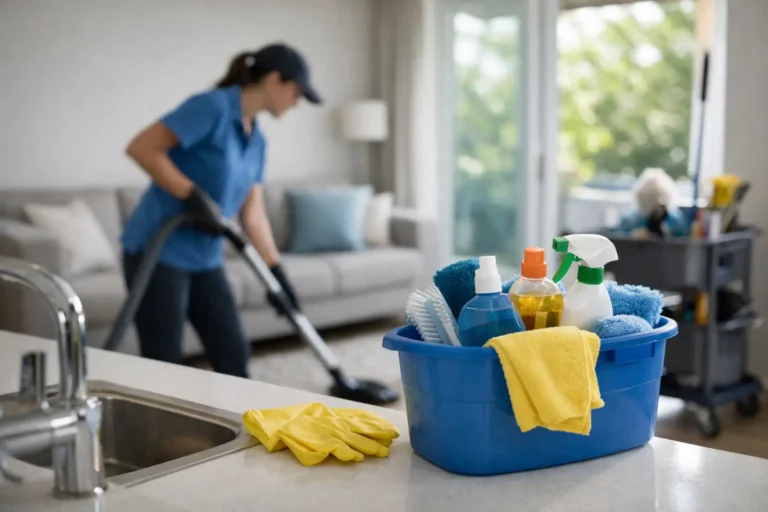

If your agent has booked the final inspection for tomorrow morning and the place still needs a full scrub, the question stops being casual very quickly. How long does end of lease cleaning take? Sydney guide searches usually happen when time is already tight, and the honest answer is this – it depends on the size of the property, its condition, and whether extras like carpet cleaning, wall washing or mould treatment are needed.
For most Sydney rentals, a standard end of lease clean takes anywhere from 4 to 12 hours. A small, fairly tidy one-bedroom unit might be done in half a day. A larger family home with built-up grease, bathroom scale, pet hair and marked walls can easily stretch to a full day or more. If the property has not been maintained during the tenancy, the cleaning time climbs fast.
How long does end of lease cleaning take in Sydney?
A practical range helps more than a vague estimate. In real terms, a studio or one-bedroom property often takes around 4 to 6 hours. A two-bedroom place is more commonly 5 to 8 hours. Three-bedroom homes tend to sit in the 6 to 10 hour range, while four-bedroom homes or properties with multiple living areas can run from 8 to 12 hours or longer.
That timing usually assumes a professional team following an end of lease checklist, not one person casually wiping benches. It also assumes the property is empty. If removalists are still working, furniture is still inside, or tradies are finishing patching and painting, the clean slows down and the results can suffer.
This is where many tenants get caught out. They compare end of lease cleaning to a normal weekly clean. It is not the same job. A proper vacate clean is detailed, inspection-focused and far more demanding. Skirting boards, inside cupboards, window tracks, exhaust fans, light switches and soap scum in shower screens all add time because they are exactly the spots property managers notice.
Why one property takes 5 hours and another takes 12
The biggest factor is condition, not just size. A neat two-bedroom apartment lived in by one person for 12 months may take less time than a three-bedroom townhouse with kids, pets and years of built-up grime.
Kitchens are usually the slowest room. Ovens, rangehood filters, splashbacks and greasy cupboards can add serious labour. Bathrooms are next, especially where hard water staining, mould or neglected grout is involved. If blinds are dusty, windows are marked, or the balcony has tracked-in dirt, those jobs each add another layer.
Access matters too. A high-rise flat with difficult parking, no lift padding, and strict loading windows can delay a team before the cleaning even starts. The same goes for homes where power or hot water has already been disconnected. Professional cleaners can work around some issues, but not all of them efficiently.
If you are also arranging flooring or surface work before handover, timing becomes even more important. Cleaning after repairs, grinding dust or coating work should be sequenced properly so the property is presented at its best. On larger projects, that sort of planning matters just as much as the clean itself. If flooring repairs or concrete prep are part of your scope, Floor Masters approaches project timing the same way – organised, quote-driven and focused on a clean final result.
What is usually included in the time estimate
A proper end of lease clean generally covers the kitchen, bathrooms, bedrooms, living areas and laundry, plus detailed surface cleaning throughout. That includes mopping, vacuuming, dusting, wiping cupboards, cleaning internal glass, removing cobwebs, and bringing wet areas up to inspection standard.
But many jobs in Sydney are quoted separately because they need different equipment or extra time. Carpet steam cleaning is a common add-on. So is external window cleaning, pressure washing, blind cleaning, wall spot cleaning and garage sweeping. Pest control may also be required if pets were kept at the property under the lease agreement.
This is why a very cheap quote often ends badly. It may only allow enough time for a fast surface clean, not a proper vacate clean. A short booking window can mean corners get cut, and that is exactly what leads to re-cleans or bond disputes.
The Sydney factor – agents, standards and time pressure
Sydney’s rental market is fast, and inspection expectations are rarely relaxed. In many cases, there is only a narrow gap between one tenant moving out and the next moving in. That puts pressure on everyone – tenant, cleaner, landlord and agent.
Property managers usually work from a detailed checklist. They are not only looking for obvious dirt. They are checking presentation and maintenance cues. Fingerprints on wardrobe doors, dust on top of door frames, grease above the cooktop and marks around power points can all become reasons to flag the clean.
That means the safest approach is to allow more time than you think you need, not less. If your move-out is on a Friday, trying to fit everything into Thursday afternoon after the truck leaves is risky. Build in enough margin for cleaning, drying time on carpets, and any last-minute touch-ups.
Can you do it yourself in one day?
Sometimes, yes. But only if the property is already in good condition, you have the right products and equipment, and you are realistic about the workload.
For a small unit, a committed DIY clean can be finished in a long day. For anything larger, especially if the oven, bathrooms and windows all need serious attention, it often turns into a late-night rush. That is when quality drops. Missed details are common because end of lease cleaning is repetitive, physical work and people naturally get less thorough as fatigue sets in.
The other issue is standard. A lot of tenants clean to a personal standard, while agents inspect to a handover standard. Those are not always the same thing. If you do it yourself, use the entry report and current condition report as your benchmark, not your usual weekend cleaning routine.
How to avoid delays and blowouts
The easiest way to keep the cleaning time under control is to prepare the property properly before the cleaners arrive. Empty the home completely. Defrost the fridge if it is included. Remove rubbish from inside and outside. Make sure electricity and water are still connected on the day of the clean.
If there are problem areas, mention them early. Burnt-on oven grime, heavy mould, pet odours, nicotine staining or construction dust all affect the quote and the hours needed. Springing those issues on a team at the door nearly always means extra time, extra cost or an incomplete result.
Photos help. So does being clear on what the managing agent expects. If your lease requires carpet cleaning, pest treatment or receipt-based services, confirm that before booking. A clean can be technically well done and still fail the handover if one required service was skipped.
A realistic timing guide by property type
For a studio or one-bedroom apartment in decent condition, allow around 4 to 6 hours. For a two-bedroom apartment or villa, 5 to 8 hours is more realistic. A three-bedroom home with two bathrooms will usually need 6 to 10 hours. Larger homes with extra bathrooms, alfresco areas, garages or neglected surfaces can run 8 to 12 hours or more.
Add time for carpets, balconies, blinds, garages and heavily soiled ovens. Add even more time if the property has not been cleaned regularly during the tenancy. That is the part many online estimates miss – cleaning time is not just about floorplan size. It is about the amount of work hiding inside that floorplan.
If you are getting the property ready for sale or handover and want broader presentation advice, these related reads may help: garage floor coating options, concrete grinding and surface preparation, and [epoxy flooring for residential spaces](https://floormasters.com.au/). They are useful when the goal is not just clean, but properly presented and built to last.
When should you book the clean?
Ideally, book it for after the property is fully empty and any repairs are complete, but before the final inspection. In Sydney, that often means securing your booking at least several days ahead, and longer during peak moving periods.
If you leave it too late, you may only get a narrow time slot, which is not ideal for a job that can expand once the real condition becomes visible. A little buffer protects you from the usual end-of-lease surprises – overlooked marks, a dirtier oven than expected, or a bathroom that needs another pass.
A good vacate clean is not just about speed. It is about enough time to do the work properly, safely and to inspection standard. When the job is planned well, the handover feels a lot less stressful – and your bond has a better chance of coming back without an argument.