
That tight-chested feeling after vacuuming. The sneezing fit that starts when the bathroom gets a strong spray. The itchy eyes that seem worse at home than outdoors. For plenty of Sydney households, allergies are not just about pollen season. They are often tied to what is happening inside the home – on floors, in soft furnishings, and in the cleaning products used every week.
If you have ever cleaned the house only to feel worse afterwards, the problem may not be a lack of effort. It may be the way the home is being cleaned.
How green cleaning reduces allergies in Sydney homes
When people talk about green cleaning, they often focus on the environmental side. That matters, but for many families the bigger benefit is much closer to home. Green cleaning can reduce the chemical load inside a property while still removing the things that actually trigger allergy symptoms – dust, pet dander, mould spores and residue build-up.
Sydney homes deal with a mix of allergy pressures. Coastal moisture can encourage mould in bathrooms and laundries. Western Sydney heat can mean closed windows and heavy air-conditioning use, which can recirculate fine dust. Carpeted bedrooms, rugs, cluttered storage areas and damp surfaces all make the problem harder to control.
Green cleaning helps because it aims to clean without adding more irritants into the air or onto surfaces. Traditional products can leave behind strong fragrances, volatile compounds and residues that may aggravate sensitive noses, skin and lungs. A greener approach focuses on low-tox formulas, controlled dust removal and moisture management. That is what makes the difference.
The allergy issue is often bigger than the visible mess
A home can look clean and still hold a lot of allergy triggers. Fine dust settles on skirting boards, blinds and hard floors. Pet dander clings to lounges and rugs. Mould can sit in grout lines, silicone edges and under damp mats long before it becomes obvious. Some cleaning routines only shift these particles around rather than remove them properly.
This is where poor product choice and poor technique can work against you. Strong sprays can create airborne mist. Dry dusting can send allergens back into circulation. Overwetting bathroom surfaces can feed mould rather than prevent it. Heavily perfumed cleaners may mask odours, but they can also trigger headaches or respiratory irritation in sensitive people.
A greener cleaning method is generally more controlled. Instead of chasing a chemical smell that feels like proof of cleaning, the focus moves to removing contaminants at the source.
Low-tox products reduce added irritants
One of the clearest reasons how green cleaning reduces allergies in Sydney homes comes down to product formulation. Many conventional cleaners contain synthetic fragrances, harsh solvents or ingredients that release fumes during use. Even when they are effective at cutting grease or disinfecting, they are not always the best fit for households with asthma, eczema or general chemical sensitivity.
Green cleaning products are usually designed to be lower in volatile emissions and lighter in fragrance. That matters in enclosed spaces such as bathrooms, laundries and bedrooms, where air does not always move well. Less airborne chemical residue means less chance of that stinging sensation in the nose or throat after cleaning.
That said, green does not automatically mean harmless. Some natural ingredients can still irritate sensitive skin, and not every eco-labelled product performs well. The goal is not to swap every bottle for the first “natural” option on the shelf. It is to use effective products that clean thoroughly without leaving a heavy residue or harsh indoor fumes.
Better dust control means fewer particles in the air
For allergy-prone homes, dust removal is not just about appearance. It is about reducing the amount of particulate matter that settles, lifts and recirculates every day.
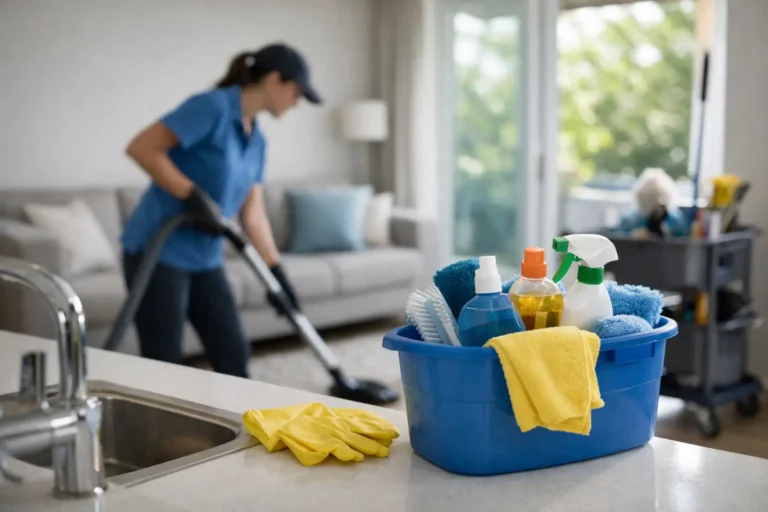
Green cleaning usually works best when paired with damp microfibre cloths, HEPA-filter vacuums and careful surface cleaning rather than aggressive dry wiping. Microfibre traps fine particles instead of brushing them off onto the next surface. A quality vacuum with proper filtration captures dust mites, pollen and dander rather than blowing the smallest particles back into the room.
This is especially useful on hard flooring. Smooth, sealed surfaces are generally easier to keep free of trapped dust than worn carpet or rough, porous finishes. In homes where flooring is part of the allergy problem, cleanable surfaces can make routine maintenance faster and more effective. That is one reason professionally finished hard floors are often preferred in high-traffic areas – they are built for easier upkeep and less lingering build-up.
Mould prevention is a major part of the picture
Sydney homes often battle humidity, condensation and poor bathroom ventilation. That creates ideal conditions for mould, and mould spores are a common trigger for sneezing, congestion and skin irritation.
A green cleaning approach does not mean ignoring mould or using weak products where a stronger treatment is needed. It means dealing with moisture properly, cleaning affected surfaces thoroughly, and avoiding habits that make damp areas worse. Reusable cloths need to be dried properly. Exhaust fans need to be used. Shower screens, tiles and floors need to be dried rather than constantly left wet.
In many homes, the issue is not dramatic mould growth. It is low-level, repeated dampness that keeps feeding the problem. Regular low-tox bathroom cleaning, proper ventilation and fast attention to leaks can reduce spore build-up before it turns into a larger health and maintenance issue.
Residue-free cleaning helps on floors and touchpoints
Residue matters more than many people realise. If a cleaner leaves a sticky or filmy finish, that surface can hold more dust and grime between cleans. Floors are a good example. Some products leave behind a coating that looks shiny at first but attracts dirt quickly. For allergy sufferers, that means more particles underfoot and more dust disturbed as people move through the home.
A greener, residue-aware cleaning routine aims for a true clean rather than a cosmetic one. On hard floors, benchtops and common touchpoints, that usually means the surface stays cleaner for longer and needs fewer harsh repeat applications. It also reduces the chance of children and pets coming into contact with leftover cleaning film.
This is particularly important in kitchens, entries and living areas where traffic is constant. The easier a surface is to clean properly, the easier it is to keep allergens under control week after week.
It depends on the home, not just the products
There is no single bottle that fixes allergies. The real answer to how green cleaning reduces allergies in Sydney homes depends on the condition of the property, the flooring, the level of dust, whether pets live inside, and how moisture is managed.
A small unit with hard floors and good airflow may improve quickly with better products and a HEPA vacuum. A larger family home with carpet, indoor pets and ongoing bathroom dampness may need a more structured routine. If the property has cracked grout, worn flooring, or surfaces that trap dirt and moisture, cleaning alone may only solve part of the problem.
That is why the best results usually come from combining the right cleaning method with practical changes to the home. Reducing clutter, improving ventilation, sealing problem areas and maintaining easy-clean surfaces all help lower the allergy burden.
When professional cleaning makes sense
If symptoms keep returning despite regular cleaning, the issue may be technique, product choice or hidden build-up in the home. Professional cleaners can often spot recurring sources of dust, mould and residue that household routines miss.
For end-of-lease cleans, post-renovation clean-ups or homes that have not had a proper reset in some time, a detailed service can make a noticeable difference. This is particularly true after construction dust, concrete work or interior upgrades, where fine particles settle well beyond the obvious mess. In those cases, a team using the right equipment and clean work practices can help restore indoor surfaces to a safer, more manageable standard. For households wanting that extra support, Mega Cleaning Services at https://megacleaning.com.au/ operates across the same broader Sydney region.
What to prioritise if allergies are the main concern
If your household is sensitive, start with the biggest trigger points rather than trying to overhaul everything at once. Focus on bedrooms, bathrooms, flooring and upholstered furniture. Use low-tox products, reduce fragrance where possible, and switch from dry dusting to damp capture methods. If vacuuming seems to make symptoms worse, the machine itself may be part of the problem.
Pay attention to how the home feels after cleaning, not just how it looks. Less odour, less airborne spray and less residue are usually good signs. If a product leaves you coughing, gives you a headache or makes the room smell “clean” for hours, it may be doing more harm than good for an allergy-prone home.
A healthier home is not about chasing perfection. It is about creating surfaces and routines that are easier to maintain, safer to live with and less likely to keep triggering the same symptoms every week. When cleaning removes the problem instead of adding to it, the whole house feels different.