
That last week before moving out is where most bond losses happen – not because tenants are careless, but because they underestimate what property managers actually inspect. If you are searching for end of lease cleaning Sydney: how to guarantee your bond back, the real answer is not just “clean everything”. It is cleaning to inspection standard, understanding fair wear and tear, and fixing the areas that trigger disputes most often.
In Sydney’s rental market, final inspections are usually fast, methodical and unforgiving. A place can look tidy at first glance and still fail on grease in the rangehood, soap scum in grout, dust on skirting boards or marks on hard floors. If you want the best chance of a full bond return, you need a practical plan rather than a rushed wipe-down the night before handing over the keys.
End of lease cleaning Sydney – what agents really check
Most agents and property managers are not judging whether the property looks “pretty good”. They are checking whether it has been returned in roughly the same clean condition noted on the incoming condition report, allowing for fair wear and tear. That distinction matters.
Fair wear and tear includes things like minor carpet flattening, light fading, or small signs of age from normal use. Cleaning issues are different. Built-up grease, stained shower screens, dirty oven trays, mould from poor ventilation, and dust in tracks or vents are usually treated as tenant responsibility.
The highest-risk areas are usually the kitchen and bathroom, followed by floors, walls, windows and outdoor spaces. Hard flooring can also become a problem point. If concrete, tile or coated surfaces are left with stubborn residue, etching, paint specks or grime in the edges, they can make the whole property look poorly maintained even if the rest of the home is clean.
Start with the condition report, not the mop
Before you buy supplies or book help, pull out the original entry report and compare it with the current state of the property. This is where many tenants save money. You may not need to restore every surface to brand-new condition, but you do need to deal with anything that is clearly dirt, residue, odour or neglect.
Take fresh photos before cleaning starts. Then work room by room and note what needs basic cleaning, what needs stain treatment, and what may need repair rather than cleaning. A scuff mark might wash off. A chipped tile or swollen skirting board will not.
This step is also useful if there is a later dispute. Good records show that you approached the handover properly and did not simply leave things half-done.
The biggest bond killers are usually small details
A lot of end of lease cleaning comes down to finishing work. Large surfaces get attention because they are obvious. The smaller details are what often cost tenants a return visit or a deduction.
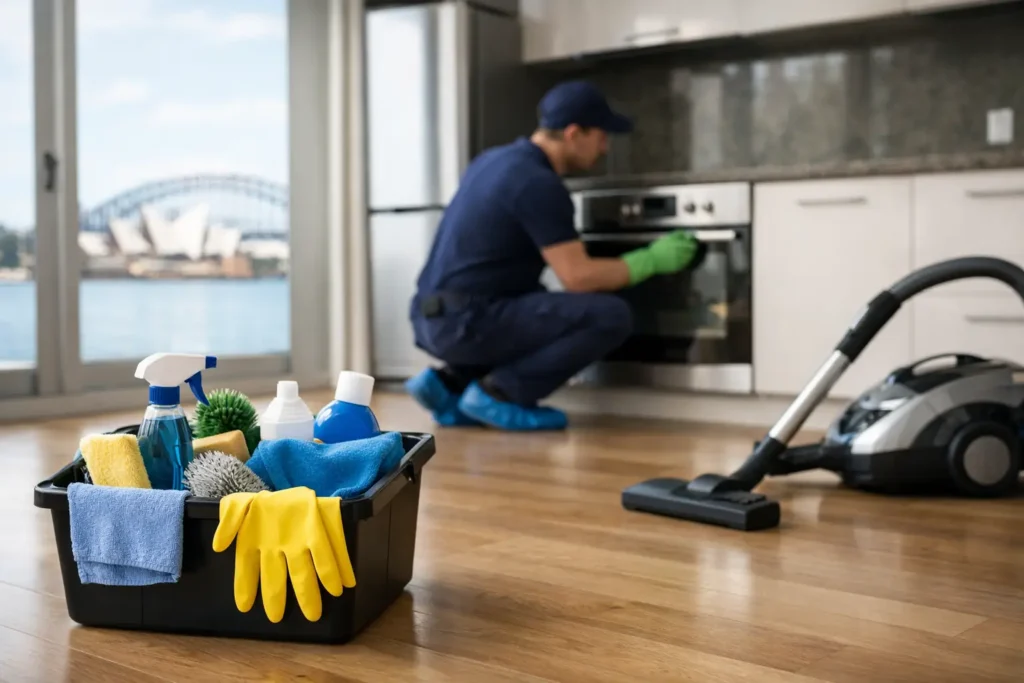
In kitchens, the usual trouble spots are the oven interior, stovetop edges, splashback grease, rangehood filters, cupboard tops and crumbs in drawer runners. In bathrooms, it is often the grout lines, taps, toilet base, mirrors, vanity storage and hair caught in drains. Throughout the home, agents notice light switches, door handles, skirting boards, inside wardrobes, tracks, ledges and ceiling fans.
Windows can also be a deciding factor. Smears, dust in tracks and insect debris in corners stand out in natural light. If the property has a balcony, courtyard or garage, do not treat those as optional extras. Leaves, cobwebs, oil marks and general rubbish can all be flagged at final inspection.
Floors matter more than most tenants realise
Clean floors set the tone for the entire inspection. If the floor looks dull, dusty or stained, the property feels unclean even when benches and bathrooms are spotless. That is especially true in garages, laundries, kitchens and open-plan living areas where hard flooring carries a lot of visual weight.
Sweeping and mopping alone may not be enough. Concrete can hold fine dust, old spills and ingrained marks. Tiles often trap grime in grout lines and along edges. Coated floors can show residue if the wrong chemicals have been used.
If you are dealing with worn or problem concrete, it helps to understand what the surface actually needs. Floor preparation issues are often confused with cleaning issues. Articles like concrete grinding Sydney, garage epoxy flooring Sydney and how to clean epoxy floors can help clarify the difference between dirt, damage and surface failure. That matters because cleaning can improve presentation, but it will not fix a substrate problem.
DIY or hire professionals – it depends on the property
There is no single right answer here. If you are leaving a small unit that has been maintained well, a DIY clean may be enough if you have the time, the right products and a sharp eye for detail. If the property is larger, has pets, includes carpets, outdoor areas, mould issues or a heavily used oven, professional cleaning can be cheaper than losing part of the bond.
The trade-off is straightforward. DIY saves money upfront but costs time and carries more risk if you miss something. Professional end of lease cleaning costs more upfront but can reduce stress, especially when a re-clean guarantee is included. That guarantee is worth checking carefully. Some cleaners offer it only for a short period or only if the full invoice has been paid before inspection.
If you hire help, ask exactly what is included. End of lease cleaning is not always the same as a deep clean. Carpets, blinds, balconies, wall washing, garages and exterior windows may be additional items.
How to clean for an inspection, not just for appearances
The best results come from cleaning in the right order. Start high and finish low. Dust first, then wipe surfaces, then clean wet areas, then do floors last. If you mop early and keep walking through the property, you create your own problem.
Use products that suit the surface. Strong chemicals can damage natural stone, strip coatings or leave haze on some finishes. On hard floors, more product is not better. Residue can make a floor look worse under inspection lighting.
Ventilation also matters. A property that smells damp, musty or strongly chemical can feel unclean even if it is technically spotless. Open windows where possible and let surfaces dry properly. In bathrooms and laundries, drying is part of the finish.
One useful trick is to inspect the property at different times of day. Marks and smears show up differently in morning and afternoon light. What looks fine under a ceiling light may be obvious near a window.
End of lease cleaning Sydney means planning for the final 10 per cent
The last stage is where bond outcomes are often decided. Once the heavy cleaning is done, go back through the property as if you were the agent. Open cupboards. Check behind doors. Look at the top edges of tiles, inside the microwave recess, around taps, behind toilets and along floor perimeters.
Remove all rubbish, including things left in the garage, under sinks or in outdoor bins if that is required under your lease terms. Replace blown light globes if they were working at the start of the tenancy. Make sure no personal items, coat hangers or cleaning bottles are left behind unless agreed.
If repairs are needed, do them before the final clean where possible. There is no point washing a wall and then patching holes afterwards. Timing matters. A good handover is organised, not rushed.
A few situations where tenants get caught out
Some disputes are less about cleaning and more about assumptions. Pet hair is a common one. Even if the place looks clean, hair in corners, on blinds or trapped in carpet edges can lead to complaints about odour or poor cleaning. Another is mould. If it is minor surface mould caused by condensation and can be cleaned safely, do it properly. If it comes from an underlying leak or building issue, that may not sit with the tenant.
Another grey area is walls. Light marks can often be cleaned. Heavy scuffing, dents or peeled paint may cross into damage. Trying to scrub too aggressively can make things worse, especially on flat paint finishes. When in doubt, test a small area first.
For garages and utility zones, oil spots and ingrained dirt are common sticking points. These spaces are often overlooked during the tenancy, then become highly visible once everything has been moved out.
Give yourself the best chance of a full bond return
If you want your bond back, think like an inspector, not a mover. Empty the property early if you can, clean systematically, and pay close attention to kitchens, bathrooms and floors. Where a surface issue is beyond standard cleaning, identify that early so you are not relying on a mop to solve a repair problem.
For tenants, landlords and property managers who want reliable, presentation-focused results across Sydney, the standard should always be the same – clean workmanship, the right equipment, and no shortcuts where they show. If you need advice on hard floor presentation or surface condition before handover, Floor Masters can point you in the right direction through https://floormasters.com.au/.
A bond inspection is rarely won by one big effort at the end. It is won by getting the details right before someone else notices them.
Need a Hand With the Cleaning?
Book online in 2 minutes with instant, GST‑inclusive prices. New customers get 10% off their first clean.